Bankim Nagar, Siliguri, West Bengal
Choosing an Electric Therapy Machine manufacturer requires more than comparing product photos and prices. Buyers need to understand what each company actually produces, how its devices are tested, and what support is available after delivery. This guide introduces ten manufacturers in China and offers a practical starting point for evaluating them.
Electric therapy equipment can include devices designed for modalities such as electrotherapy, ultrasound therapy, or combined treatment. Their features and intended uses vary. A clear product specification, readable operating instructions, and consistent quality-control information can make a real difference in daily clinical work. Look for details about manufacturing experience, technical support, customization, and relevant certifications. Then confirm that any certification or registration applies to the product and market you have in mind.
The comparison should not replace independent checks. Company websites and sales materials may omit important details. Brochures can leave gaps. Ask for current documentation, warranty terms, service arrangements, and sample records where appropriate. Where possible, speak directly with the manufacturer and clarify how it handles training, replacement parts, and product updates. No single supplier is right for every buyer; budget, intended application, and local requirements all matter. Some claims may sound convincing, yet still need verification. Use this list as a shortlist—not a final endorsement—and assess each company against your own technical and purchasing needs.
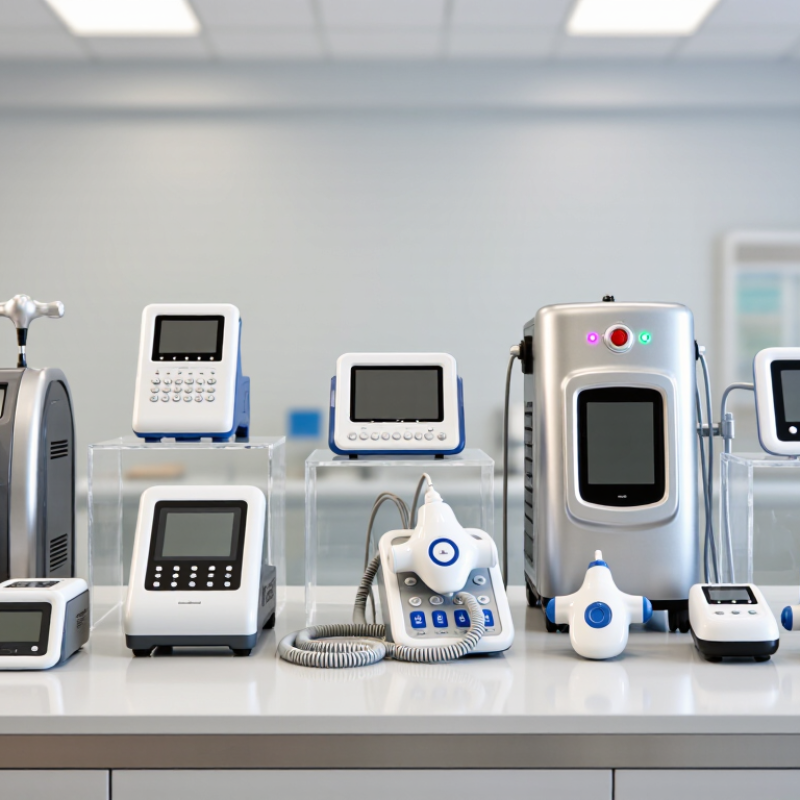
Electric therapy machines deliver controlled electrical pulses through electrodes placed on the skin. Their settings vary by waveform, intensity, frequency, and treatment time. Transcutaneous electrical nerve stimulation, or TENS, is commonly used to help manage pain. Neuromuscular electrical stimulation, or NMES, triggers muscle contractions and may support selected rehabilitation plans. The sensation is usually a gentle tingling, not a sharp jolt. Small details matter.
These devices are used in clinics and, when appropriate, at home for pain management and muscle re-education. The World Health Organization’s 2023 rehabilitation fact sheet estimates that 2.4 billion people worldwide may benefit from rehabilitation services. A 2023 Global Burden of Disease analysis published in The Lancet Rheumatology estimated that 619 million people had low back pain in 2020. That figure points to a substantial need for care, but it does not mean electrical therapy suits every case.
Good practice starts with assessment, not simply turning up the intensity. Clinicians consider the person’s condition, skin response, sensation, and treatment goals before choosing settings. Electrodes should sit on clean, intact skin, with placement guided by device instructions and professional advice. Results can vary, and temporary comfort is not proof that the underlying problem is resolved. That distinction is easy to overlook.
China’s electric therapy equipment industry serves several distinct needs, from home pain management to supervised rehabilitation. Common product groups include transcutaneous electrical nerve stimulation units, neuromuscular stimulators, and multi-function physiotherapy systems. Each uses electrical signals differently, so device design, electrode placement, and adjustable output matter. Small details count.
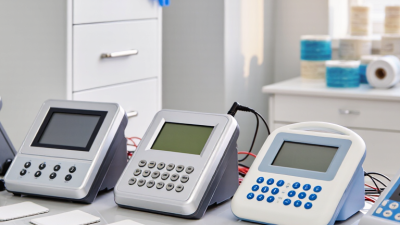
Home-use devices often prioritize compact housings, simple controls, and clear instructions. Rehabilitation equipment may offer multiple channels, treatment presets, and more detailed adjustment options for trained practitioners. Hospitals and therapy clinics also consider durability, cleaning routines, and how easily staff can check settings between sessions. A feature list alone tells little.
The supply chain includes finished-device makers, electronics and electrode suppliers, and contract manufacturing facilities. Capabilities can vary: some factories focus on high-volume assembly, while others handle product development, testing, and customized production. Buyers should examine documentation, quality-control procedures, and evidence that a device performs consistently under its stated conditions. Marketing language is not verification.
There is room for improvement. User interfaces can feel confusing, and published product details are not always equally thorough. For distributors or care providers, practical demonstrations and careful review of technical files can reveal gaps before purchasing. Clinical use should follow professional guidance, since electrical therapy is not suitable for every person or condition.
Industry overview: This table summarizes ten established electric-therapy product segments relevant to manufacturing in China. It is not a ranking of named manufacturers; product availability and intended use vary by device and applicable regulatory authorization.
| No. | Key Segment | Common Technology | Typical Application | Common Product Format | Typical Buyer Channel |
|---|---|---|---|---|---|
| 1 | Transcutaneous Electrical Nerve Stimulation (TENS) | Low-voltage pulsed electrical currents delivered through surface electrodes | Symptomatic pain relief; use depends on the device’s labeling and clinical guidance | Portable, battery-powered unit with lead wires and electrode pads | Medical-device distributors, clinics, and home-care retailers |
| 2 | Neuromuscular Electrical Stimulation (NMES) | Electrical pulses intended to activate peripheral motor nerves and produce muscle contraction | Muscle re-education and rehabilitation applications, as specified for the device | Multi-channel stimulator with reusable or disposable electrodes | Rehabilitation departments, physiotherapy clinics, and medical distributors |
| 3 | Functional Electrical Stimulation (FES) | Timed electrical stimulation coordinated with a task or movement | Selected rehabilitation programs that use stimulation to assist functional movement | Programmable controller with electrodes; some systems include movement sensors | Rehabilitation hospitals and specialist therapy centers |
| 4 | Interferential Current Therapy | Two medium-frequency currents are combined to produce an interference pattern in tissue | Physical therapy applications, including pain management, according to the device’s intended use | Clinic-based console with treatment leads and surface electrodes | Hospitals, physiotherapy clinics, and rehabilitation centers |
| 5 | Microcurrent Therapy | Very-low-amplitude electrical currents, generally below typical sensory-level stimulation | Selected pain-management or rehabilitation applications where permitted by product labeling | Portable or tabletop unit with fine-adjustment controls and electrode leads | Specialist clinics and medical-device distributors |
| 6 | High-Voltage Pulsed Current (HVPC) | Short-duration, high-voltage pulsed output delivered through electrodes | Selected physical-therapy and wound-care protocols under professional supervision | Professional treatment unit with adjustable output and electrode accessories | Hospitals, wound-care services, and rehabilitation providers |
| 7 | Russian-Current Stimulation | Medium-frequency alternating current delivered in modulated bursts | Muscle-stimulation programs in physical therapy and rehabilitation settings | Multi-channel clinic system with configurable burst and intensity settings | Physiotherapy clinics, sports-rehabilitation facilities, and hospitals |
| 8 | Pelvic-Floor Electrical Stimulation | Electrical stimulation delivered by an external electrode or a purpose-designed probe | Selected pelvic-floor rehabilitation programs, subject to clinical assessment and device labeling | Compact controller with compatible electrodes or probes | Urology and gynecology services, rehabilitation clinics, and home-care channels |
| 9 | Electroacupuncture Stimulators | Adjustable electrical pulses connected to acupuncture needles via clips | Electrical stimulation used alongside acupuncture in settings where the practice is permitted | Compact multi-output stimulator with needle clips and adjustable channels | Acupuncture clinics, hospitals, and traditional-medicine providers |
| 10 | Combination Electrotherapy Systems | One platform integrating multiple electrical-stimulation modes; some systems also combine non-electrical modalities | Multi-purpose physical therapy and rehabilitation treatments, depending on included functions | Tabletop or cart-based system with selectable programs and accessories | Hospitals, rehabilitation centers, and larger physiotherapy clinics |
When comparing electric therapy machine manufacturers in China, look beyond product photographs and quoted prices. Ask how each unit is inspected before shipment. A useful answer names the test, acceptance limit, and record kept. For example, request sample output readings across several intensity settings, not only a statement that the device “works.” Small details matter.
Check whether certificates apply to the factory, the product, or a specific model. Request current documents and verify their scope with the issuing body. For electrical safety, ask which applicable test standards were used and whether reports cover the exact configuration you plan to buy. Labels can be polished. Documentation should be consistent. If a specification sheet lists one model number and a test report lists another, pause and ask why.
Support is part of product quality. Ask who handles setup questions, how quickly replacement parts can be supplied, and whether troubleshooting instructions are available in clear English. A short video call can reveal how well staff explain calibration and routine checks. Compare the response with the written manual; gaps happen, and they deserve follow-up. Also request a written warranty process, including what evidence is needed for a service claim. A low price may still cost time if answers arrive slowly.
Evaluation checklist coverage by category
How to use this chart: The bars count example buyer checks in each category; they are not manufacturer ratings or market statistics. Verify requirements for the specific device and destination market.
Profiles of ten electric therapy machine manufacturers in China reveal varied approaches to design and production. Some prioritize compact units for treatment rooms, while others offer larger consoles with multiple channels and adjustable settings. The differences show in practical details: button spacing, cable storage, display readability, and how quickly staff can change programs. Small design choices matter.
A useful profile should explain more than product range. It should describe manufacturing experience, quality-control steps, technical support, and the intended clinical setting. Buyers can ask how output is checked, what user instructions are supplied, and whether replacement accessories are available. Clear answers build confidence. Catalog claims alone are not enough.
The ten profiles also invite careful comparison of customization and communication. A factory may adapt labels or casing, but changes should be documented and tested before purchase. Check product records and applicable certifications independently; requirements differ by destination market. One limitation remains: polished specifications do not always show how a machine performs during a busy workday. Requesting a demonstration can reveal awkward controls or unclear instructions. That step is easy to overlook.
For a useful comparison of China’s electric therapy machine manufacturers, look beyond headline model counts. Product portfolios commonly span transcutaneous electrical nerve stimulation, neuromuscular stimulation, and combination units; some also include ultrasound or heat therapy. Check practical details: adjustable channels, preset programs, electrode compatibility, and whether the interface suits clinic or home use. WHO’s 2023 rehabilitation fact sheet estimates that 2.4 billion people worldwide could benefit from rehabilitation. That signals broad need, but it does not measure demand for any single device category.
Market fit varies. Hospitals and rehabilitation centers may prioritize durable equipment, clear treatment records, and staff training. Home-care buyers often need lighter units, simple controls, and responsive troubleshooting. Export-oriented suppliers should explain language support, replacement-part access, warranty terms, and technical documentation. Ask how service requests are handled across time zones. Small details matter.
Public product and service disclosures are uneven, so any top-ten comparison has limits. A polished catalog does not prove reliable after-sales support. Request operating manuals, maintenance schedules, and specific service response times before comparing quotes. Real differences show there. Manufacturers that describe testing procedures and user training in concrete terms are easier to assess, though no checklist removes every uncertainty.
Hi! Simply click below and type your query.
Our experts will reply you very soon.