Top 10 Electric Therapy Machines for Global Buyers

Choosing an Electric Therapy Machine is not simply a matter of comparing prices or counting treatment modes. Global buyers must examine clinical purpose, operating principles, user safety, supplier reliability, and local regulatory requirements.

Dr. Robert O. Becker, an orthopedic surgeon and bioelectricity researcher, wrote, “The body is an electrical system.” His observation remains relevant, but it should not encourage careless claims. Electrical stimulation can support selected therapeutic applications, yet outcomes depend on diagnosis, dosage, electrode placement, training, and patient condition. No device replaces professional medical advice.

This guide reviews ten Electric Therapy Machine options for international buyers. Each selection deserves a closer look at waveform control, intensity adjustment, treatment timers, display readability, electrode quality, and cleaning procedures. Imagine a clinic comparing two units: one has a bright touchscreen, while the other offers clearer safety alarms and better documentation. The second may be the wiser purchase.

Look beyond attractive specifications. Check IEC 60601-related documentation, ISO 13485 credentials, traceability, warranty terms, and after-sales technical support. CE marking, FDA requirements, and other approvals vary by market and intended use. A certificate shown in a brochure may not cover every model or application.

No ranking is perfect. Product availability changes. Evidence can also be uneven. Some manufacturers communicate limitations clearly; others emphasize benefits without enough clinical context. That difference matters. Responsible buyers should request manuals, test reports, contraindication guidance, and training materials before placing an order.

The following list is designed as a practical starting point, not a final purchasing decision. Safety, verified performance, and suitability should remain more important than marketing language.
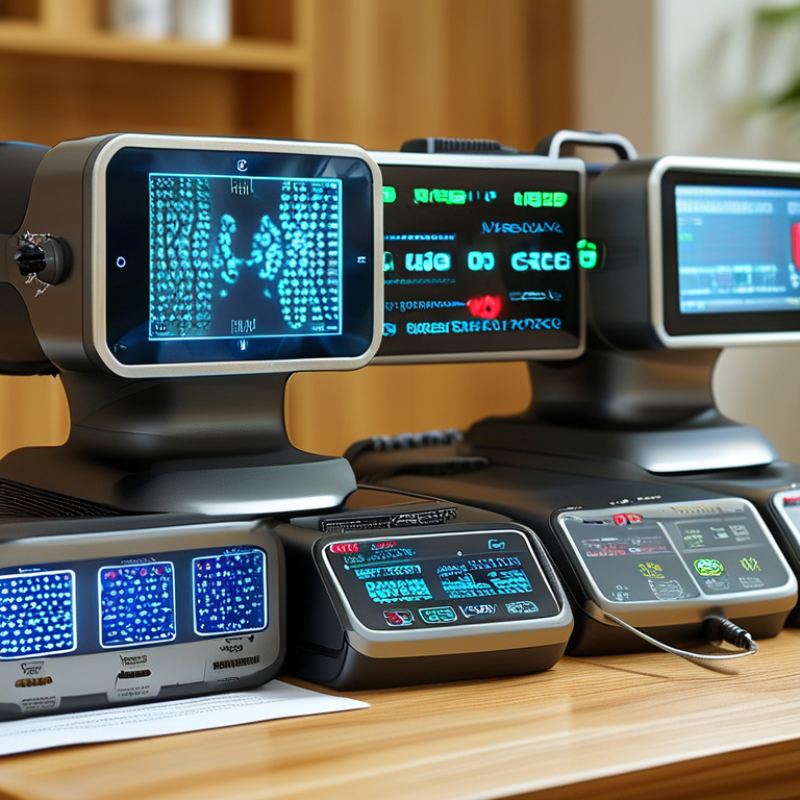
Top 10 Electric Therapy Machines for Global Buyers

What Electric Therapy Machines Are and How They Work

Top 10 Electric Therapy Machines for Global Buyers

What Electric Therapy Machines Are and How They Work

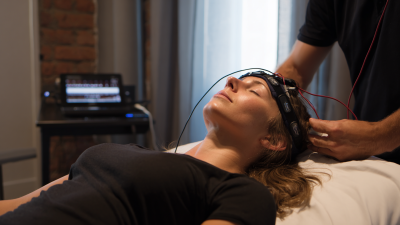
Electric therapy machines deliver controlled energy to the body through pads, probes, or applicators. TENS devices send mild pulses through the skin to stimulate sensory nerves and may reduce pain signals. EMS units target motor nerves, creating visible muscle contractions. Ultrasound therapy is different. It uses high-frequency sound waves, not electrical current, to transfer energy into tissue.

The need is substantial. The World Health Organization reports that about 1.71 billion people live with musculoskeletal conditions worldwide, with lower back pain as a leading cause of disability. A 2024 industry analysis by Grand View Research also identifies home-use electrotherapy as a growing market segment. Still, market growth does not prove clinical benefit. That distinction matters.

In practice, a patient may feel rhythmic tingling from TENS pads, while EMS produces repeated muscle tightening. Settings should match the treatment goal, body area, and individual tolerance. Incorrect pad placement can cause discomfort or ineffective stimulation. It can also confuse buyers. Professional evaluation remains important, especially for users with implanted electronic devices, reduced sensation, or unexplained pain. Electrical therapy is not magic. Evidence varies by condition, device type, and treatment protocol. The common product description is often too simple. Even reputable reports cannot replace clinical judgment, clear instructions, and careful monitoring.

Top 10 Electric Therapy Machines for Global Buyers — What Electric Therapy Machines Are and How They Work

Electric therapy machines deliver controlled electrical, electromagnetic, radiofrequency, or electrically powered acoustic energy to produce effects such as sensory stimulation, muscle activation, tissue heating, or mechanical vibration. The chart compares representative operating frequencies used in common therapy modalities.

How to read the chart: Frequency is shown on a logarithmic scale because therapy devices operate across a very wide range, from low-frequency stimulation to radiofrequency and ultrasound. A higher frequency does not automatically mean better treatment; output intensity, waveform, duration, electrode or applicator placement, and clinical indication are also important.

The Main Types of Electric Therapy Machines Available Worldwide

Electric therapy machines vary by current, intensity, waveform, and treatment purpose. TENS devices deliver low-voltage pulses through skin electrodes and may support temporary pain relief. EMS and NMES units stimulate muscles for rehabilitation, training, or muscle re-education under professional guidance. They are not interchangeable. Electrode placement matters.

Interferential current machines combine medium-frequency currents and are often used in supervised pain or swelling management. Microcurrent devices provide very low electrical levels, although treatment evidence differs across conditions. High-voltage pulsed current systems may support selected rehabilitation protocols. PEMF equipment uses electromagnetic fields rather than direct skin electrodes. Shortwave diathermy produces radiofrequency energy and usually requires trained clinical operation. Ultrasound therapy is often sold beside electrotherapy equipment, but it uses sound waves, not electrical stimulation.

Global buyers should compare waveform controls, adjustable intensity, electrode quality, user instructions, and local safety compliance. Check whether the device is registered for its stated medical purpose in the target market. Inspect cables and electrodes before each session. Skin should be clean and intact. People with implanted electronic devices, reduced sensation, or certain medical conditions need professional advice before use. Some marketing claims sound more certain than current evidence supports. A sophisticated display cannot correct poor assessment or incorrect settings. Product selection should follow clinical need, not appearance.

Top 10 Electric Therapy Machines for Global Buyers - The Main Types of Electric Therapy Machines Available Worldwide

Rank Therapy Machine Type Primary Energy or Current Typical Operating Range Common Applications Typical Users Main Advantages Important Purchasing Considerations
1 TENS Machine Transcutaneous electrical nerve stimulation; usually biphasic pulsed current Approximately 1–150 Hz; pulse width commonly 50–400 microseconds Temporary relief of certain acute or chronic pain conditions Home users, physiotherapy clinics, rehabilitation centers Portable, non-invasive, adjustable intensity, easy electrode placement Output safety limits, electrode compatibility, battery or mains operation, regulatory approval
2 NMES Machine Neuromuscular electrical stimulation; pulsed electrical current Commonly 20–80 Hz; adjustable pulse width and ramp time Muscle re-education, prevention of disuse atrophy, strengthening support Physiotherapists, sports rehabilitation professionals, clinical users Supports controlled muscle contractions and programmable treatment cycles Number of channels, maximum output, synchronized contraction settings, clinician controls
3 FES System Functional electrical stimulation using timed electrical pulses Often 20–50 Hz with adjustable pulse width and trigger timing Task-specific movement support, such as gait, foot-drop, or grasp training Neurological rehabilitation clinics and specialized therapy programs Coordinates stimulation with movement, switches, sensors, or therapy tasks Sensor integration, electrode positioning, software support, patient-specific programming
4 Interferential Current Therapy (IFC) Two or more medium-frequency alternating currents that produce an amplitude-modulated effect Carrier frequency commonly around 2,000–5,000 Hz; beat frequency often 1–150 Hz Pain management, muscle stimulation, and selected physical therapy protocols Physiotherapy clinics, rehabilitation hospitals, sports therapy centers Can deliver treatment through larger electrode configurations and multiple channels Four-pole or two-pole modes, vector adjustment, channel independence, preset accuracy
5 Russian Current Stimulation Burst-modulated medium-frequency alternating current Carrier commonly 2,000–2,500 Hz; bursts often about 50 bursts per second Strengthening support and muscle activation in rehabilitation settings Sports medicine, physiotherapy, and rehabilitation professionals Designed for strong, programmed muscle contractions with adjustable duty cycles Ramp-up and ramp-down controls, maximum intensity, treatment timer, electrode size
6 Microcurrent Therapy Device Very low-intensity electrical current, generally below the sensory threshold Often measured in microamperes; frequency and waveform vary by device Adjunctive clinical protocols and selected wellness or rehabilitation applications Healthcare professionals and supervised users Low perceived stimulation and compact device formats Accurate current measurement, electrode conductivity, intended-use claims, clinical evidence
7 PEMF Therapy System Pulsed electromagnetic fields generated by electrically driven coils Frequency commonly ranges from approximately 1–100 Hz; field strength varies widely Selected bone-healing and rehabilitation applications, depending on the indication Hospitals, rehabilitation centers, orthopedic practices, and supervised home users Non-contact delivery and treatment through clothing or dressings in suitable applications Magnetic field output, coil geometry, treatment area, electromagnetic compatibility, contraindications
8 Therapeutic Ultrasound Unit Electrical power converted into high-frequency mechanical sound waves Common therapeutic frequencies: 1 MHz and 3 MHz; intensity often up to about 3 W/cm² Superficial and deeper soft-tissue treatment protocols, depending on frequency and technique Physiotherapists, sports therapists, and rehabilitation clinics Continuous or pulsed modes, adjustable intensity, and interchangeable treatment heads Effective radiating area, beam uniformity, calibration, coupling gel, safety interlocks
9 Shortwave Diathermy Unit Radiofrequency electromagnetic energy used to produce therapeutic heating Common medical frequency: 27.12 MHz; pulsed and continuous modes may be available Selected musculoskeletal and rehabilitation heating protocols Hospitals, physiotherapy departments, and licensed clinical facilities Can treat relatively broad areas without direct electrode contact RF shielding, electromagnetic compatibility, applicator design, facility requirements, operator training
10 Electroacupuncture Stimulator Low-frequency or mixed-frequency pulsed electrical stimulation delivered through acupuncture needles or surface electrodes Common selectable frequencies include 2, 10, 15, and 100 Hz, depending on the protocol Adjunctive acupuncture and pain-management protocols performed by qualified practitioners Licensed acupuncture practitioners and clinical therapy providers Multiple output channels and precise control of pulse frequency and intensity Channel isolation, current control, needle or electrode compatibility, hygiene procedures, practitioner qualification

Specifications are representative industry ranges and vary by model, intended use, and local regulations. Buyers should verify electrical safety, medical-device registration, electromagnetic compatibility, labeling, and contraindications before purchase or use.

Key Features Used to Evaluate the Top 10 Machines

Top 10 Electric Therapy Machines for Global Buyers
Key Features Used to Evaluate the Top 10 Machines

A reliable comparison begins with measurable performance, not attractive screens. Evaluate waveform stability, output accuracy, intensity range, timer control, and electrode detection. IEC 60601-1 provides a core safety reference for medical electrical equipment. ISO 14971 also supports structured risk management during design and operation. These standards cannot replace local regulatory checks.

Clinical relevance deserves equal weight. The World Health Organization reports that 2.4 billion people may benefit from rehabilitation worldwide. However, electric stimulation is not suitable for every condition or patient. A 2023 evidence review in Cochrane Library found that TENS results can vary across pain conditions and treatment settings. Therefore, the top machines should offer adjustable protocols, clear contraindication guidance, and traceable treatment records. Comfort matters too. Uneven current can feel like sharp pinpricks instead of a steady pulse.

Tips Ask for independent test reports, calibration records, and electrical safety certificates. Check whether the device supports local voltage standards. Review replacement electrode costs, training materials, warranty response, and service coverage. A low purchase price may hide expensive consumables.

My evaluation model is useful, but imperfect. A machine can score highly on specifications and still perform poorly in a busy clinic. Test the controls with gloves, inspect cable strain relief, and observe cleaning between sessions. Also question vague claims about “advanced” stimulation. Clear evidence is more valuable than impressive wording.

Safety Standards and Regulatory Considerations for Global Buyers

When comparing the Top 10 electric therapy machines, global buyers should treat compliance as a safety filter, not a marketing feature. The World Health Organization reports more than 2 million medical device types across over 7,000 generic groups. Classification can therefore change by intended use, output, and claimed treatment effect. Buyers should request the device’s risk classification, technical file, and market authorization for each destination.

Electrical safety deserves close inspection. IEC 60601-1 addresses basic safety and essential performance, while IEC 60601-1-2 covers electromagnetic compatibility. A device that works near a hospital monitor must not create interference. ISO 14971 also requires documented risk management, including foreseeable misuse. Check leakage-current test results, charger protection, electrode insulation, battery temperature, and automatic output limits. Small details matter. A loose lead can change treatment intensity.

Regulatory evidence should match the sales region. European access generally requires Medical Device Regulation compliance, while the United States may require a relevant FDA pathway. Other markets may request local registration, authorized representatives, translated labels, or country-specific electrical certificates. The International Medical Device Regulators Forum promotes harmonized principles, but national rules still differ. A certificate alone is not enough. Buyers should verify the issuing body, test scope, model number, software version, and expiry date. I would also test cleaning instructions and replacement parts before purchase. In practice, documentation is often polished, but post-market support remains uncertain. That weakness deserves a written service commitment.

How to Choose the Right Electric Therapy Machine for Different Needs

Top 10 Electric Therapy Machines for Global Buyers

Choosing the right electric therapy machine starts with the user’s actual need. TENS devices may support temporary pain relief through gentle nerve stimulation. EMS machines target muscle activation during rehabilitation or supervised training. Combination units offer flexibility, but extra settings can confuse new users. Simple controls matter. Check pulse range, electrode quality, display readability, and battery performance before buying.

Match the machine to the treatment area. A compact model may suit a shoulder or knee. Larger pads can cover the back more evenly. Look for adjustable intensity, clear instructions, and automatic shutoff. Users with implanted electronic devices, reduced sensation, skin injuries, or certain medical conditions should seek professional advice first. Never place electrodes near the eyes, front of the neck, or across the chest without qualified guidance.

Safety should outweigh low price. Confirm electrical certifications, warranty coverage, replacement pad availability, and local compliance requirements. A machine with ten programs is not automatically better. In practice, one accurate program may be more useful than nine confusing choices. Read the manual carefully, because settings and electrode positions differ between devices. Keep expectations realistic; electric therapy may support care, but it should not replace diagnosis or prescribed treatment. Some buying decisions remain uncertain, especially when product instructions are vague. That is a warning sign.

Close

Raise your Query

Hi! Simply click below and type your query.

Our experts will reply you very soon.

WhatsApp Us