Why Choose an EEG Test Machine for Your Clinic?
Neurological care is becoming more important for clinics of every size. The World Health Organization reports that neurological conditions affected more than three billion people worldwide in 2021. Its Global Status Report on Neurology also identifies these conditions as a major cause of disability. Epilepsy alone affects about 50 million people, according to the WHO Epilepsy fact sheet. These figures create practical pressure for faster, more dependable brain assessments.
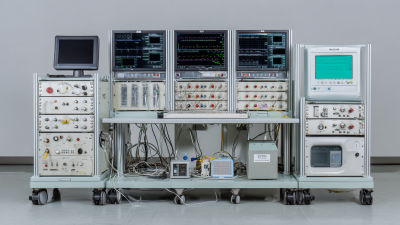
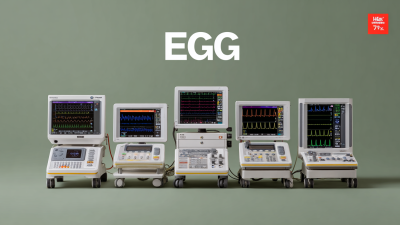
An Eeg Test Machine can support this need by recording electrical brain activity through scalp electrodes. It may help clinicians investigate seizures, unexplained blackouts, sleep-related events, and altered consciousness. During a typical examination, staff must prepare the skin, check electrode impedance, reduce movement, and monitor artifacts. The equipment matters. So does the operator.
Professional guidance from the American Clinical Neurophysiology Society emphasizes standardized recording, patient safety, technical quality, and accurate interpretation. A clinic should therefore assess signal quality, montage flexibility, video integration, reporting software, and maintenance support. A clear waveform on the screen is not enough. Clinical context remains essential.
A suitable Eeg Test Machine can shorten workflow delays and improve access to neurodiagnostic services. It may also reduce repeated referrals when local testing is reliable. However, the device is not a diagnostic shortcut. Poor electrode placement can distort results. Excessive electrical noise can mislead interpretation. Staff training, calibration, data security, and specialist review deserve equal attention.
The best purchasing decision combines published standards with real clinic experience. Ask whether the system works well in a quiet room, during patient movement, and under busy scheduling conditions. Technology helps, but judgment completes the process.
What an EEG Test Machine Does in Clinical Practice
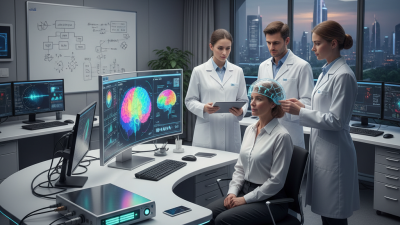
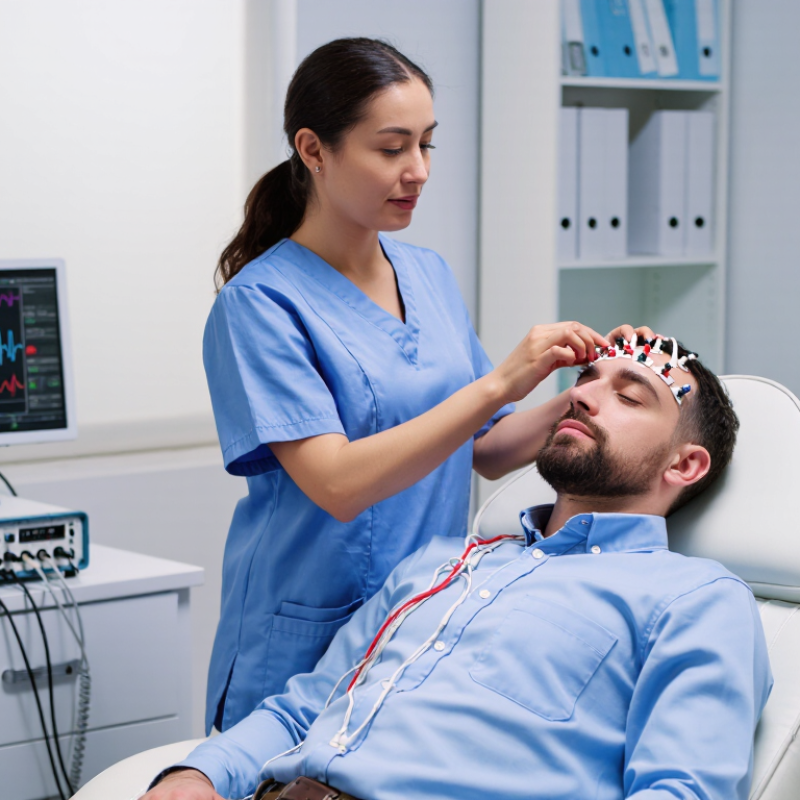
An EEG test machine records the brain’s electrical activity through small electrodes placed on the scalp. In clinical practice, it helps clinicians assess unusual movements, brief blackouts, confusion, and suspected seizures. A trained technologist prepares the skin and checks electrode contact carefully. The screen displays changing wave patterns in real time. Good preparation matters. Skin oils, loose electrodes, and nearby electrical devices can create misleading signals. A quiet room also helps reduce muscle and movement artifacts.
During a routine recording, the patient may open and close their eyes, breathe deeply, or respond to light stimulation. The machine can capture changes linked with wakefulness, drowsiness, or abnormal electrical activity. For suspected seizures, longer monitoring may be arranged. Some clinics record during sleep because certain patterns become clearer then. Yet an EEG does not diagnose every neurological condition by itself. A normal tracing cannot always exclude a seizure disorder. The patient’s history remains essential.
Reliable use depends on trained staff, regular equipment checks, and clear clinical protocols. Before each study, technicians should inspect cables, confirm signal quality, and document unusual events. Artifacts from blinking, jaw tension, or movement may resemble abnormal activity. If the recording is poor, repeating it may be more responsible than forcing an interpretation. This process is not perfect. Speed should not replace careful observation. A well-acquired recording gives the interpreting clinician stronger evidence for safe, informed decisions.
How EEG Technology Measures and Records Brain Activity
Why Choose an EEG Test Machine for Your Clinic?
An EEG test machine records the brain’s electrical activity through small electrodes placed on the scalp. These electrodes detect voltage changes produced by groups of communicating brain cells. A conductive gel helps maintain contact and reduce signal resistance. The system then sends these tiny signals to an amplifier for processing.
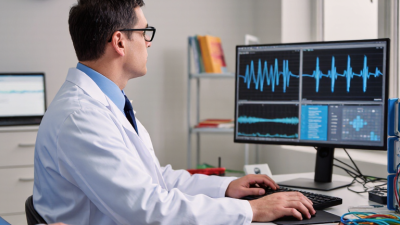
The recording appears as changing waveforms on a monitor. Clinicians may examine frequency, amplitude, symmetry, and unusual discharges across different channels. Sampling speed matters because fast changes can disappear in a poorly configured recording. A typical session may include quiet rest, eye opening, eye closing, and controlled breathing. Some evaluations also use light stimulation under professional supervision.
The signal is not perfectly clean. Muscle tension, blinking, loose electrodes, and nearby electrical devices can create artifacts. That limitation matters. Experienced technicians check electrode impedance and mark patient movements during the test. A trained clinician interprets the tracing alongside symptoms, medical history, and examination findings. Software can highlight patterns, but it should not replace clinical judgment.
For a clinic, accurate recording depends on more than attractive screens or automatic reports. Consistent setup, suitable training, secure data handling, and regular equipment checks support dependable results. EEG does not directly display thoughts or diagnose every neurological condition. It measures electrical patterns, and those patterns require careful context. Sometimes, the clearest finding is simply the need for a better recording.
Key Clinical Benefits of Using an EEG Machine
Why Choose an EEG Test Machine for Your Clinic?
In a neurology clinic, an EEG machine turns brain activity into measurable clinical evidence. Small electrodes on the scalp can reveal abnormal electrical patterns during wakefulness, sleep, or a suspected seizure. The World Health Organization’s 2024 Epilepsy Fact Sheet estimates that nearly 50 million people worldwide live with epilepsy. Reliable EEG access can therefore support faster, more informed assessment. The NICE NG217 guideline states that EEG can support an epilepsy diagnosis, but it should not exclude epilepsy when results are normal.
EEG also helps clinicians classify seizure types, evaluate unexplained blackouts, and monitor treatment response. In intensive care, the 2015 American Clinical Neurophysiology Society consensus statement highlights the value of continuous EEG because many seizures show no obvious physical movement. Longer monitoring may capture patterns missed during a short recording. Still, no machine makes interpretation automatic. Artifacts from blinking, chewing, or loose electrodes can mislead even experienced teams. That limitation deserves respect.
Tips: Train staff to check electrode impedance, document medications, and record clear video with each study. Use a standardized report template, and request specialist review for unusual waveforms. Repeat testing may be reasonable when clinical suspicion remains high. Practical workflow matters: a quiet room, comfortable seating, and careful patient instructions often improve recording quality. Even good equipment cannot fix rushed preparation.
Factors to Consider When Choosing an EEG Test Machine
Choosing an EEG test machine requires more than counting channels. The clinic must match the system to its patients, staff, and daily workload. The World Health Organization estimates that nearly 50 million people live with epilepsy worldwide, making dependable diagnosis essential, especially where specialist access is limited (WHO, Epilepsy Fact Sheet, 2024).
Signal quality should guide the decision. Select a device with sufficient channels for routine and extended studies, stable electrodes, low-noise amplifiers, and clear impedance checks. Technical guidance from the American Clinical Neurophysiology Society recommends adequate sampling and filtering to preserve clinically important EEG activity (ACNS Guideline 1, 2021). Video integration also matters. A synchronized camera can help clinicians compare spikes with eye movement, muscle activity, or a patient’s sudden hand movement. Small delays can mislead interpretation.
Workflow deserves equal attention. Ask whether nurses can apply electrodes quickly, whether the software supports standard reports, and whether recordings export safely to the clinic’s information system. Data protection is not optional. Training, calibration, maintenance, and local technical support should be included in the cost. A portable system may suit bedside testing, but lighter hardware can sometimes compromise connectors or battery life. No checklist is perfect. Staff should test the machine during a real clinic session, not only during a polished demonstration. That practical trial may reveal uncomfortable headgear, confusing menus, or cables that obstruct emergency access.
How to Add EEG Testing to Your Clinic’s Workflow
Why Choose an EEG Test Machine for Your Clinic?
How to Add EEG Testing to Your Clinic’s Workflow
Adding EEG testing requires more than placing a machine in an examination room. The clinic needs a clear process from referral to reporting. A trained technologist should confirm the patient’s identity, explain the procedure, and record relevant medications, sleep patterns, and symptoms. The room should be quiet, comfortable, and easy to clean. Keep the setup simple.
Before recording, staff should check electrode placement, skin contact, signal quality, and patient comfort. Small movements can create artifacts that resemble abnormal activity. A short calibration check helps identify problems early. Staff also need written procedures for cleaning accessories, protecting patient information, and storing recordings securely. These details support consistent care and easier review.
A qualified clinician should interpret the recording within the patient’s clinical context. The machine supports testing; it does not replace professional judgment. Clinics should define who reviews results, how urgent findings are communicated, and when referral is appropriate. Regular training and quality checks are essential. The first workflow may look complete, yet real appointments often reveal gaps. A patient may arrive unprepared, or a recording may contain avoidable noise. Reviewing these events honestly can improve the process. Keep expectations realistic. EEG testing is useful, but it is not flawless.
Why Choose an EEG Test Machine for Your Clinic?
Typical EEG recording durations to help plan testing capacity and integrate EEG into your clinic’s workflow
Routine EEGs commonly require about 20–30 minutes of recording, while sleep-deprived studies may take approximately 30–60 minutes. Ambulatory and inpatient video EEG monitoring can extend from 24 hours to several days, allowing clinics to match equipment, staffing, and room availability to the selected protocol.