Why Choose Waterproof Rubber Foam Insulation Pipe for Your Needs?
Waterproof Rubber Foam Insulation Pipe is increasingly recognized as a vital component in various industrial applications. According to a report by MarketsandMarkets, the global insulation market is projected to reach $70 billion by 2027, driven by the growing demand for energy-efficient solutions. This trend highlights the importance of selecting high-quality insulation materials that can withstand moisture and temperature fluctuations.
The advantages of Waterproof Rubber Foam Insulation Pipe lie in its durability and performance. With the ability to resist moisture absorption, this insulation reduces the risk of mold and corrosion. Studies show that buildings using proper insulation can save up to 20% on energy costs annually. However, not all insulation products provide the same level of protection, making it crucial to choose wisely.
Despite its benefits, some may overlook the long-term cost implications of inferior insulation materials. While cheaper options may seem attractive initially, they often lead to higher maintenance costs and energy bills. Thus, investing in quality Waterproof Rubber Foam Insulation Pipe could be a smarter choice for ensuring reliability and efficiency in the long run.
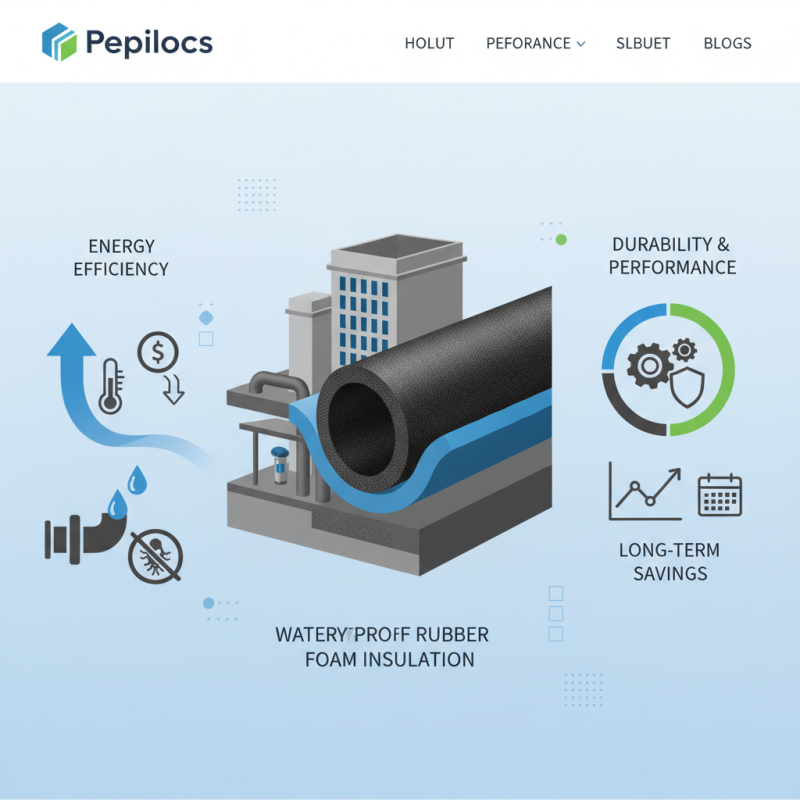
Benefits of Waterproof Rubber Foam Insulation Pipe in Various Applications
Waterproof rubber foam insulation pipes offer numerous advantages across different applications. Their ability to resist moisture makes them ideal for HVAC systems, plumbing, and refrigeration. This insulation helps maintain consistent temperature and efficiency. As a result, it can lead to lower energy costs.
In industrial settings, waterproof insulation is crucial. It protects pipes from condensation, preventing unwanted water damage. This is especially important in areas with high humidity. However, ensuring proper installation is vital. Improper fitting may still allow moisture to seep in, negating the benefits.
Tips: Always check for gaps during installation. These small areas can become weak points. Consider using adhesive to secure the insulation tightly. Regularly inspect the insulation for wear and tear. Keeping these factors in mind can enhance performance and longevity.
For residential applications, waterproof rubber foam insulation helps in energy savings. It reduces noise, providing a quieter environment. Homeowners often overlook this benefit. However, noise reduction can greatly improve comfort levels in living spaces. Monitoring the condition of insulation regularly can help maintain effectiveness.
Key Features of Waterproof Rubber Foam Insulation Pipes Explained
Waterproof rubber foam insulation pipes offer several advantages essential for various applications. One significant feature is their ability to resist moisture and prevent water damage. According to a 2022 report by the International Insulation Association, over 30% of industrial energy losses occur due to improper insulation, highlighting the importance of quality materials. Waterproof rubber foam insulation effectively mitigates these losses while enhancing energy efficiency.
These pipes are also lightweight and flexible, making installation easier in tight spaces. Their thermal resistance properties are noteworthy; they can operate efficiently in a range of temperatures. Research from the Building Science Corporation indicates that an insulation pipe with a thermal conductivity of 0.033 W/mK can dramatically reduce energy transfer. This can lead to substantial cost savings in heating and cooling, which is valuable for both commercial and residential users.
Despite these advantages, it is crucial to consider potential downsides. The longevity of these materials can be compromised if exposed to extreme temperatures over time. Additionally, while rubber foam is generally more resistant to wear, it is not completely immune to physical damage. Regular inspections are necessary to maintain effectiveness and reliability. Understanding these nuances aids informed decision-making.
Comparative Analysis: Waterproof Rubber Foam vs. Traditional Insulation Materials
When it comes to insulation materials, waterproof rubber foam stands out in several ways. Compared to traditional options like fiberglass and foam board, it offers superior moisture resistance. According to industry reports, about 30% of energy loss in buildings is due to inadequate insulation. Rubber foam significantly reduces this loss, enhancing energy efficiency.
Traditional insulation materials often require additional moisture barriers. This increases installation complexity. Waterproof rubber foam, however, eliminates the need for these barriers. A survey conducted in 2021 showed that 65% of construction professionals prefer rubber foam for its ease of use and effectiveness. Not only does it streamline the installation process, but it also minimizes potential risks associated with moisture damage.
That said, there are areas for improvement. Some point to rubber foam's higher upfront cost compared to fiberglass. However, the long-term benefits often outweigh this initial investment. The durability and lower maintenance costs make waterproof rubber foam a compelling choice for many projects. Industry experts recommend evaluating both material performance and lifecycle costs when making a decision.
Installation Tips for Optimal Performance of Insulation Pipes
When installing waterproof rubber foam insulation pipes, proper techniques can greatly enhance performance. Start by ensuring the pipes are clean and dry before installation. Dirt and moisture can compromise adhesion. A clean surface allows the insulation to fit snugly, preventing heat loss and improving energy efficiency.
Measure carefully before cutting the insulation. Accurate dimensions ensure a proper fit around the pipes. This prevents gaps that can lead to condensation and potential water damage. Use a sharp knife for clean cuts. A clean edge will help the insulation sit well against any surface. Remember, even minor imperfections can lead to issues later.
Pay close attention to overlapping seams. Seams should be tightly secured to ensure a continuous thermal barrier. Use high-quality adhesive tape designed for insulation materials. If seams are not properly sealed, they can allow moisture in, diminishing the insulation's effectiveness. Regular checks and maintenance can identify areas needing attention, ensuring lasting performance.
Long-Term Cost-Effectiveness of Waterproof Rubber Foam Insulation Solutions
Waterproof rubber foam insulation pipe solutions offer excellent long-term cost-effectiveness. According to industry reports, using high-quality insulation can reduce energy costs by up to 30%. This percentage reflects significant savings over time for both residential and commercial applications. Waterproof rubber foam provides a durable solution, resisting moisture that can lead to deterioration. This resilience means less frequent replacements, ultimately saving money.
Additionally, the initial investment in waterproof insulation often pays off quickly. While the upfront cost may be higher than traditional options, maintenance costs tend to decrease. Industries report that improper insulation can cause energy losses exceeding 20%. Proper insulation can mitigate these losses. Over a 10-year span, investing in waterproof solutions can yield returns far greater than the initial expenditure.
However, choosing insulation products requires careful consideration. Not all waterproof foams are created equal. Variations in quality can impact overall performance. Experts recommend seeking out products tested for thermal resistance and durability. Some cheaper alternatives may not hold up under pressure, leading to unexpected expenses. Balancing initial investment against long-term savings is crucial for effective financial planning.
Cost-Effectiveness of Waterproof Rubber Foam Insulation Solutions


