Top 10 Portable EEG Machines for Global Buyers

Choosing a Portable Eeg Machine means balancing clinical needs, mobility, and dependable support. For global buyers, the right choice depends on where and how the system will be used. A small case and long battery life help during transport, but they do not guarantee a suitable recording. Details matter.

This guide introduces ten portable EEG machines and the practical differences buyers should examine. It considers channel count, sampling capabilities, electrode options, software workflow, data export, and connectivity. It also highlights weight, setup time, training resources, warranty terms, and access to technical support. These details can shape daily use as much as headline specifications. A device that works smoothly in a clinic may be less convenient for field studies or mobile services.

Specifications are only part of the decision. Buyers should confirm that a system fits their intended workflow, local requirements, and available clinical expertise. EEG recordings require appropriate interpretation; a device alone does not establish a diagnosis. No single model suits every team. Even a careful comparison has limits, since software updates, service availability, and user needs can change. Treat this list as a starting point, then verify current details with manufacturers and qualified professionals before purchasing.
Top 10 Portable EEG Machines for Global Buyers

What Portable EEG Machines Are and How They Work

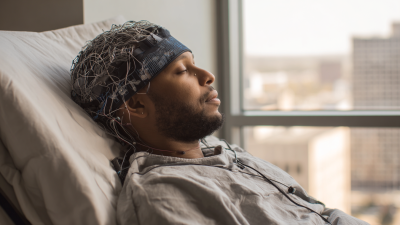
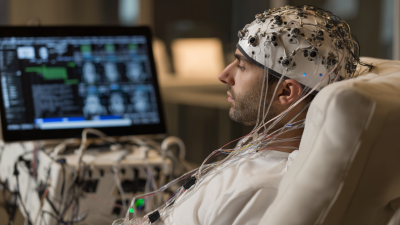
Portable EEG machines are compact systems that record electrical activity produced by the brain. Small sensors, called electrodes, sit on the scalp in a cap or attach with adhesive. They detect tiny voltage changes, not brain images or thoughts. The signal passes through an amplifier and is converted into digital data for display or storage. Some systems use fewer electrodes than hospital setups, making them easier to carry but potentially less detailed. That trade-off matters.

During a recording, the device tracks changing wave patterns over time. A clinician may ask the person to rest, open their eyes, or follow a simple task. Movement, loose sensors, and nearby electrical equipment can add noise. Good preparation helps, but clean data is never guaranteed. Results need interpretation alongside symptoms and medical history; a portable recording alone cannot confirm every condition.

Tips: Check that electrodes fit securely and the scalp is clean and dry. Keep the person still when possible, and note any movement or unusual events during the recording. Review battery life, storage, and signal quality before a session. Small setup details can change the result.

How Portable EEG Machines Measure Brain Activity

EEG electrodes detect tiny voltage differences at the scalp. A portable system amplifies and digitizes these signals for recording or display. This chart shows commonly used EEG frequency bands; exact boundaries can vary between references and applications.

Core Components and Common Clinical Applications

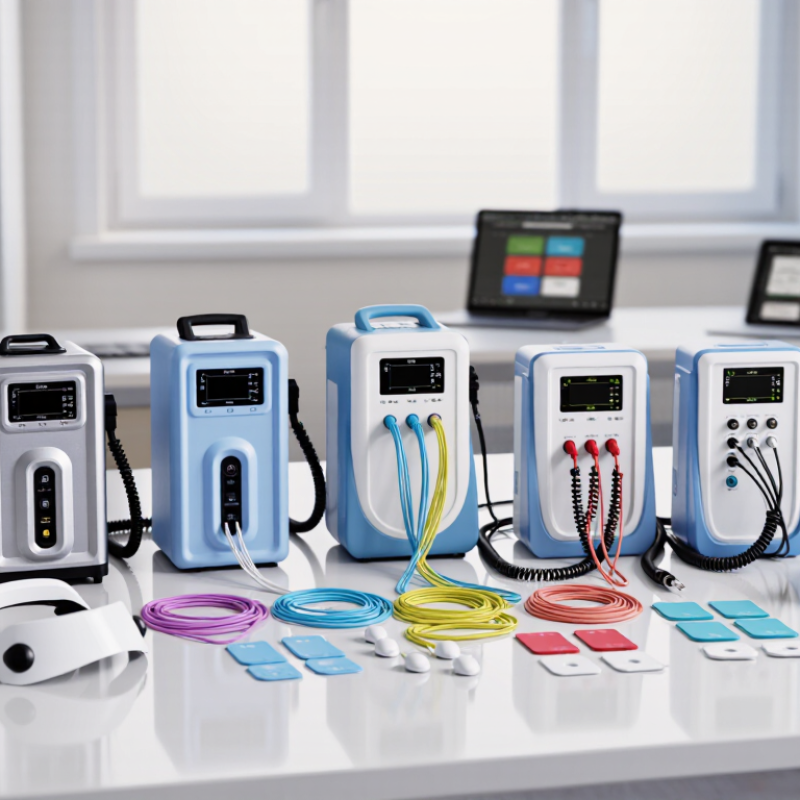
A portable EEG system combines scalp electrodes, a cap or placement guides, an amplifier, and recording software. Electrodes capture tiny voltage changes; the amplifier strengthens them for analysis. A reference electrode helps compare signals, while a ground electrode can reduce electrical interference. Digital filters and adjustable sampling settings shape the recorded trace, but excessive filtering may hide useful detail. Small details matter.

Battery power, secure storage, and wired or wireless data transfer affect how easily a system works at the bedside or during transport. Clear electrode labels and a comfortable cap can reduce setup errors. Real rooms are messy: movement, dry skin, and nearby electrical equipment may introduce artifacts. Staff should check signal quality before interpreting a recording, and keep patient comfort in view.

Clinicians use EEG to assess suspected seizures, investigate altered awareness, and monitor brain activity in selected critical-care settings. Longer recordings can help capture intermittent events that a brief test may miss. EEG findings require clinical context; they do not establish a diagnosis on their own. For global buyers, practical evaluation should include channel options, battery life, data export, training, maintenance, and local technical support. A compact device is useful, but only when its recordings remain reliable and its workflow fits the care setting.

Top 10 Portable EEG Machines for Global Buyers - Core Components and Common Clinical Applications

Representative portable EEG system configurations are listed below, rather than specific products. Channel counts and features are typical ranges; actual specifications depend on the system configuration and intended use.

Rank Portable EEG Configuration Typical Channel Capacity Core Components Portability and Recording Setup Common Clinical Applications Key Selection Consideration
1 Compact routine EEG system 19–32 EEG channels, often with additional channels for ECG or other signals EEG amplifier, electrode inputs, patient lead set, acquisition software, computer or tablet, and event marker Compact amplifier with a portable computer; usually uses a standard scalp electrode arrangement such as the 10–20 system Routine outpatient or bedside EEG assessment; evaluation of suspected seizure activity and other episodic neurological symptoms Check electrode compatibility, review tools, event marking, and export options
2 Wireless bedside EEG system Typically 19–32 EEG channels Wireless or compact amplifier, scalp electrodes, receiver or network link, acquisition software, and battery or external power supply Designed to reduce cable runs between the patient and the recording computer; wireless range and connection reliability vary by setup Bedside recordings in wards, emergency settings, and other locations where moving the patient is inconvenient Assess wireless security, connection monitoring, battery runtime, and local network requirements
3 Ambulatory EEG recorder Commonly 16–32 EEG channels, with optional auxiliary inputs Battery-powered recorder, scalp electrodes, patient event button, storage media, and software for review and event correlation Worn by the patient for extended recording during daily activities; data are commonly reviewed after the recording session Investigation of intermittent events that may not occur during a short in-clinic recording; prolonged outpatient monitoring Consider recording duration, storage capacity, electrode stability, and patient instructions
4 Portable video-EEG monitoring system Usually 19–32 EEG channels, with synchronized video and optional auxiliary signals EEG amplifier, scalp electrodes, camera, synchronized acquisition software, storage, and display or review workstation Transportable setup for synchronized EEG and video recording in a clinical room or monitoring area Characterization of seizure-like events and correlation of observed behavior with EEG activity Confirm video synchronization, camera coverage, storage needs, and applicable privacy controls
5 Portable neonatal EEG system Typically 8–32 EEG channels, depending on the monitoring protocol EEG amplifier, neonatal-compatible electrodes and leads, acquisition software, event markers, and optional video or auxiliary signal inputs Compact bedside configuration intended for use in neonatal care environments; electrode placement and handling require trained staff EEG monitoring in neonatal care, including assessment of suspected seizures and background activity Check neonatal electrode options, low-signal performance, cleaning procedures, and local clinical protocols
6 Portable ICU or continuous EEG system Often 19–32 EEG channels, with additional inputs depending on the setup EEG amplifier, scalp electrodes, bedside display, acquisition and review software, event logging, and network or local storage Portable components support setup at the bedside; continuous recording duration depends on power, storage, and staffing arrangements Continuous EEG monitoring in critical-care settings when clinically indicated, including assessment for non-convulsive seizure activity Review alarm workflow, data continuity, network integration, and access to trained EEG interpretation
7 Sleep EEG and polysomnography system Typically 4–19 EEG channels plus auxiliary channels for physiological signals EEG amplifier, scalp electrodes, and compatible inputs for signals such as electro-oculography, chin EMG, ECG, airflow, or oximetry Portable recorder or compact workstation for attended or unattended overnight studies, depending on the system Sleep studies and evaluation of sleep-related neurological events as part of an appropriate clinical assessment Verify supported auxiliary signals, synchronization, scoring workflow, and applicable sleep-study standards
8 High-density portable EEG system Commonly 64–128 EEG channels Multichannel amplifier, high-density electrode cap, acquisition software, computer, and accessories for electrode preparation Portable between rooms or sites, though setup and electrode preparation generally require more time than lower-channel systems Specialist clinical or research recordings requiring denser scalp sampling; use depends on the clinical question and local expertise Consider setup time, cap sizing, impedance management, data storage, and staff training
9 Mobile EEG system with expanded auxiliary inputs Typically 19–32 EEG channels plus multiple auxiliary inputs EEG amplifier, scalp electrodes, input leads for signals such as ECG or EMG, event markers, acquisition software, and portable computer Transportable configuration suited to recording EEG alongside selected physiological signals at the bedside or in a clinic Clinical EEG recordings that benefit from additional physiological channels or event correlation Check input types, channel availability, synchronization, and whether the intended sensors are supported
10 Field-ready portable EEG system Often 8–32 EEG channels, depending on the intended protocol Compact amplifier, electrodes, battery or portable power source, laptop or tablet, acquisition software, and protective transport case Designed for transport between facilities or use where fixed infrastructure is limited; environmental limits vary by system Mobile clinical services, outreach assessments, and approved research or screening protocols Confirm power options, equipment protection, data security, calibration checks, and local regulatory requirements

How to Evaluate Portable EEG Systems for Global Markets

For global buyers, portability is only the starting point. A useful evaluation asks whether a system can capture dependable signals in the places where care is delivered: a quiet clinic, a crowded ward, or a mobile screening room. The World Health Organization’s 2024 epilepsy fact sheet estimates that about 50 million people live with epilepsy worldwide; nearly 80% live in low- and middle-income countries. That scale makes local servicing and practical training important, not optional extras.

Check the essentials in person. Review channel count, sampling specifications, electrode compatibility, battery life, and whether recordings can be exported in standard formats. Ask how the device handles motion and electrical interference. A clear screen helps, but it cannot repair a noisy trace. Small details matter. Test the cable. Confirm that replacement parts and technical support are realistically available in the destination market, and check applicable local requirements before purchase.

WHO also reports that up to 70% of people with epilepsy could live seizure-free with appropriate diagnosis and treatment. Portable EEG may support access to assessment, but it is not a substitute for trained interpretation or a complete clinical pathway. Compare usability with the intended staff, language needs, connectivity limits, and cleaning routine. A polished demonstration can hide awkward setup. I would still want a trial recording under real working conditions; that step is easy to postpone, and sometimes should not be.

Top 10 Portable EEG Machines: Features and Key Differences

Portable EEG machines differ most in channel count, electrode design, and recording workflow. Lightweight headsets with a few channels are easier to fit and carry, but capture less spatial detail. Systems with more channels need more setup and careful electrode placement. That trade-off matters. A compact case does not guarantee a useful recording for every task.

Compare electrode types and signal handling. Dry electrodes can reduce setup time, while gel-based sensors may provide steadier contact when fitted well. Wireless units allow more movement, but buyers should check battery life, connection stability, and how recordings are stored. Wired systems avoid some wireless interruptions, though cables can restrict movement. Check sampling specifications, impedance monitoring, and whether software exports data in formats your team can use. Setup time is real.

Software and support can separate similar-looking devices. Look for clear artifact indicators, synchronized event notes, and reports that trained users can review. A polished dashboard is helpful, but it cannot fix poor sensor contact or replace clinical interpretation. Portability also means more than weight: consider the case, charging options, language support, training, and service access in the destination country. Specifications can look impressive on paper. I would still ask for a supervised demonstration using the intended workflow before comparing prices.

Regulatory, Connectivity, and Support Factors for International Buyers

Top 10 Portable EEG Machines for Global Buyers

Regulatory, Connectivity, and Support Factors for International Buyers

A portable EEG is only useful when its paperwork fits the destination market. Rules differ. Check local registration, device classification, intended-use claims, and language requirements before comparing features. For equipment sold in Europe, ask how the supplier addresses applicable EU Medical Device Regulation requirements. Also request relevant test documentation, such as IEC 60601-1 and IEC 80601-2-26, where applicable. A certificate alone does not confirm that every local requirement is met. One limitation remains: paperwork cannot predict every clinic’s workflow.

Connectivity deserves equal scrutiny. ITU’s Facts and Figures 2023 estimated that 2.6 billion people remained offline, so dependable internet cannot be assumed everywhere. Ask whether recordings can be stored securely offline and uploaded later. Test file export, time synchronization, and compatibility with the clinic’s software before purchase. Check how data are encrypted during transfer and who can access them. Small connection failures can interrupt a busy recording session.

Close

Raise your Query

Hi! Simply click below and type your query.

Our experts will reply you very soon.

WhatsApp Us