Top Galvanized Steel Strip Manufacturers for Global Buyers
Choosing a supplier for Galvanized Steel Strip is not just a price comparison. Buyers need to assess coating consistency, width and thickness tolerances, surface finish, and delivery reliability. A coil that looks bright under warehouse lights may still show uneven zinc coverage or edge damage after slitting. Small defects matter. They can affect forming, welding, or corrosion performance in the finished part. For outdoor structures, ask how the coating is specified and tested. For tight stamping work, discuss surface quality and coil shape.
This guide introduces leading manufacturers serving global buyers and explains what to verify before requesting a quotation. It considers production capability, quality documentation, export experience, product range, and support for custom specifications. Ask for current mill test certificates, coating-weight data, sample coils, and clear packaging details. Confirm whether stated tolerances match the relevant product standard and your own drawing. Not every supplier publishes comparable data, and a polished website is not proof of stable output. That deserves a second look. Buyers should compare like with like: grade, base-metal thickness, zinc coating, finish, order quantity, and shipping terms. Regional availability and lead times can change, so verify them directly with each manufacturer. No shortlist is perfect. The aim is a practical comparison, not a universal winner. The best partner depends on the application, inspection requirements, and the cost of a delayed or rejected coil. Even careful checks cannot remove every risk.
What Galvanized Steel Strip Is and How It Is Produced
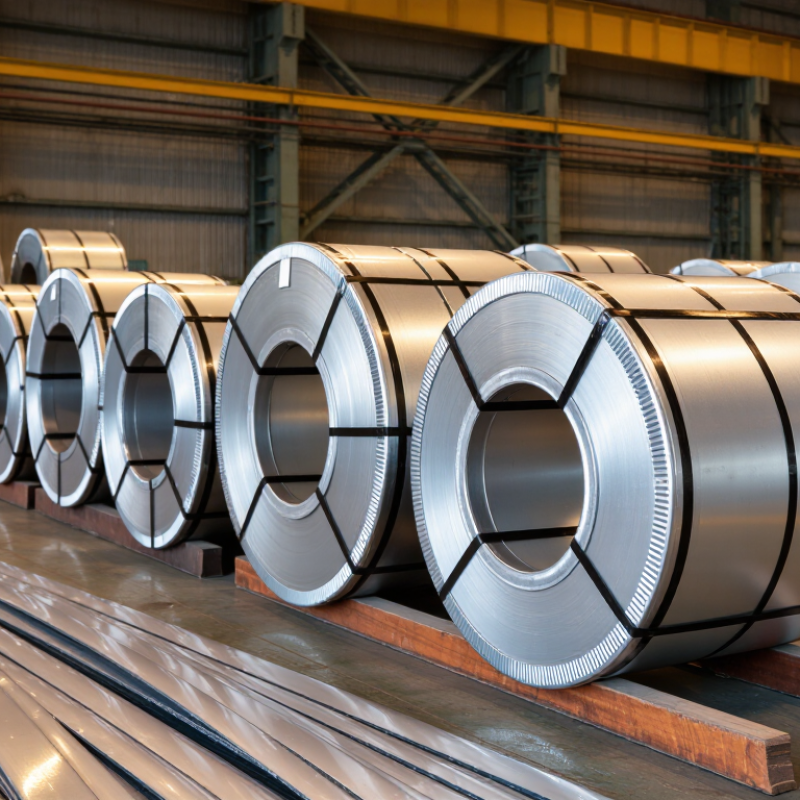
Galvanized steel strip is flat steel coated with zinc to slow corrosion. The zinc layer acts as a barrier and can also protect exposed edges through sacrificial action. It is used in roofing, ventilation ductwork, appliances, and vehicle components. The coating’s suitability depends on thickness, forming demands, and the environment; “galvanized” alone does not define service life.
Production usually starts with steel strip that is cleaned to remove oil and surface oxides. In a continuous hot-dip line, the strip is annealed, passed through molten zinc, and then cooled. Air knives above the bath control how much zinc remains on the surface. Line speed and bath conditions matter. Small changes can affect coating uniformity.
The World Steel Association’s World Steel in Figures 2024 reports that global crude steel production reached about 1.89 billion tonnes in 2023. This figure describes steel overall, not galvanized strip specifically, but it shows the scale of the material supply behind coated products. Buyers should request coating-mass and dimensional test results for each order. A bright surface can look reassuring, yet appearance alone cannot confirm coating weight or adhesion. Production details vary, so specifications deserve a careful read.
Types of Manufacturers and Their Production Capabilities
Galvanized steel strip manufacturers generally fall into three groups: integrated steel mills, specialist coating plants, and regional service centers. Each offers different production capabilities. Integrated mills may control steelmaking, rolling, annealing, and hot-dip galvanizing under one operation. This can support consistent batches and large orders. Specialist plants focus on coating and finishing, while service centers often slit wide coils into narrower strips for local applications.
Line design shapes what a supplier can deliver. Continuous galvanizing lines apply zinc to moving strip, then use air knives to regulate coating weight. Buyers should confirm available thicknesses, widths, coating grades, edge quality, and coil weights. Some facilities can add tension leveling or surface treatments. Others may outsource these steps. Ask for recent inspection records, coating test methods, and traceability details. Capacity is not quality.
A useful supplier discussion starts with the end use. A formed component may need predictable bending performance, while outdoor parts may require a specified corrosion-protection level. Request samples or trial coils when the application is sensitive. Check whether production slots, packaging, and export documentation fit the delivery plan. Details matter. Published capacity can look impressive, yet actual lead times vary with product mix and maintenance schedules. It is worth asking how a plant handles specification changes; the answer may reveal gaps in communication.
Top Galvanized Steel Strip Manufacturers for Global Buyers
Manufacturer Types and Production Capabilities
The chart shows representative EN 10346 Z-coating designations by nominal coating mass, in grams per square metre across both surfaces. Integrated steel mills combine steelmaking and galvanizing; independent galvanizers coat purchased steel; and service centers typically slit, level, or cut coated strip. Available widths, thicknesses, coating options, and output rates vary by production line and order.
Key Product Specifications for Global Buyers
Top Galvanized Steel Strip Manufacturers for Global Buyers
Key Product Specifications for Global Buyers
Choosing galvanized steel strip starts with the intended use: roofing, ducting, or formed components need different thicknesses and coating levels. Specify thickness and width in millimetres, plus tolerances and whether measurements include the coating. State the zinc coating mass in grams per square metre, and clarify whether the figure covers both surfaces. Small ambiguity, big cost.
For forming work, compare yield strength, tensile strength, and elongation—not just the grade name. Ask for the applicable standard and test documentation; EN 10346 covers continuously hot-dip-coated steel flat products, while ASTM A653/A653M covers zinc-coated steel sheet. Confirm that the supplier’s offered product and order dimensions fall within the stated scope. Edge condition, surface finish, coil inner diameter, and maximum coil weight also affect processing and transport.
The scale of steel supply makes clear specifications valuable. World Steel Association reported global crude steel production of 1,882.6 million tonnes in 2024 (World Steel in Figures 2025). That figure is industry context, not proof of any individual supplier’s quality. Request a recent mill test certificate, coating-mass results, and a sample coil label before placing a large order. A certificate cannot repair a vague purchase order. And samples vary. Compare measured results with the agreed tolerances, especially after bending or stamping.
How to Evaluate Manufacturers and Verify Quality
Top Galvanized Steel Strip Manufacturers for Global Buyers
How to Evaluate Manufacturers and Verify Quality
Choosing a galvanized steel strip manufacturer takes more than comparing prices. Start by matching the supplier’s production range to your required thickness, width, coating weight, and order volume. Ask how they control zinc coating consistency across a coil, not only on a sample. Clear answers matter.
Request recent inspection records and material test certificates for the relevant product grade. Check that the documents identify the batch and report measurable properties, such as strip thickness, coating mass, and tensile strength. Then compare those figures with your purchase specifications. A neat certificate is useful, but it cannot replace independent checks when the order is critical. Small details count.
Review how the manufacturer handles traceability, packaging, and complaints. Ask whether each coil has a readable identification label and how it is protected from moisture during transport. If possible, inspect a sample for bare spots, uneven coating, edge damage, or surface marks under good lighting. Even a sound process can miss defects. I would not rely on a single sample alone; that is an easy shortcut to regret. Consider a trial order and agree on acceptance criteria before production, so both sides know what will be checked.
Sourcing, Trade, and Logistics Considerations for International Orders
International orders for galvanized steel strip begin with a precise specification. State the thickness, width, coating requirements, steel grade, and acceptable tolerances. Include coil inner and outer diameters, edge condition, and required surface finish. Ask suppliers to confirm these details in writing, not just in a quotation. Small differences can affect forming, fit, and production schedules. Details matter.
Compare offers on more than price per tonne. Check minimum order quantities, production lead times, inspection options, and how claims are handled. Request relevant mill test documents and confirm which inspection records will accompany the shipment. Trade terms should clearly assign transport, insurance, and customs responsibilities. Confirm payment milestones and the documents needed for release before production begins. A low quote may exclude costs that appear later.
Packaging and routing deserve equal attention. Ask how coils will be protected against moisture, movement, and handling damage. Confirm coil weight, loading method, and any carrier or port limits before booking space. Align the shipping marks and packing list with the purchase order. Allow time for document review and possible port delays. Delays happen. Even careful planning cannot remove every risk, and some freight estimates change before cargo is ready. Keep written records of agreed specifications, shipment dates, and any approved changes.


