Bankim Nagar, Siliguri, West Bengal
The increasing focus on brain health has led to a surge in the use of EEG machines. These devices measure electrical activity in the brain. Recent studies indicate that nearly 50 million people worldwide suffer from epilepsy, revealing a critical need for effective diagnostics and monitoring solutions. EEG machines play a vital role in this area.
They provide real-time data that can assist in identifying brain disorders. According to a report by the World Health Organization, mental health conditions account for 13% of the global burden of disease. EEG machines offer insights that can inform treatment options, making them invaluable tools in neurology.
However, reliance on technology comes with challenges. Accuracy can vary, affecting results. Not all professionals may interpret EEG data correctly, leading to potential misdiagnosis. As we embrace these machines, ongoing education and standardization are essential to maximize their benefits for brain health.
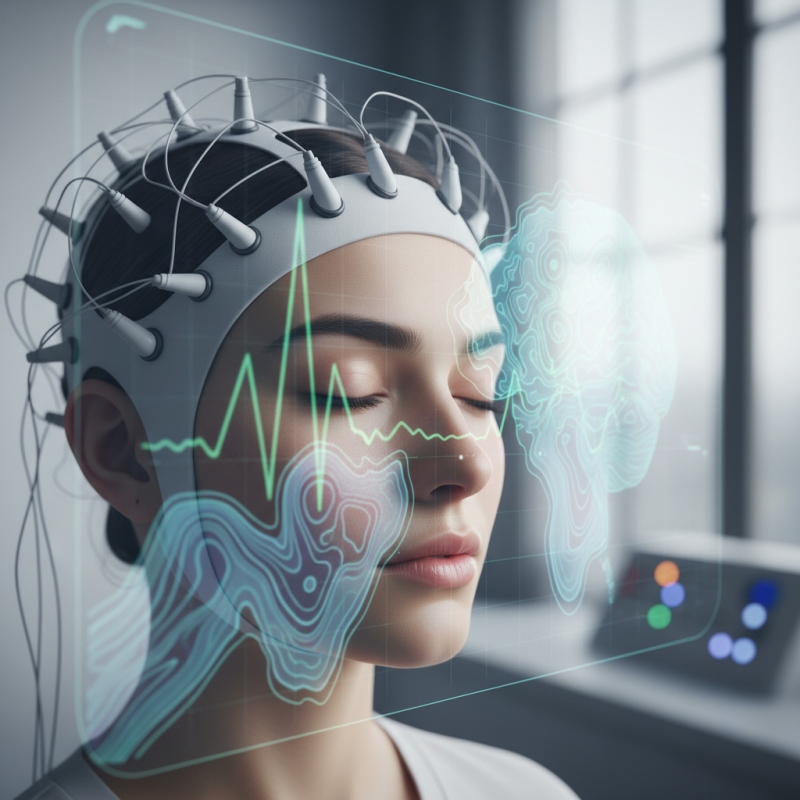
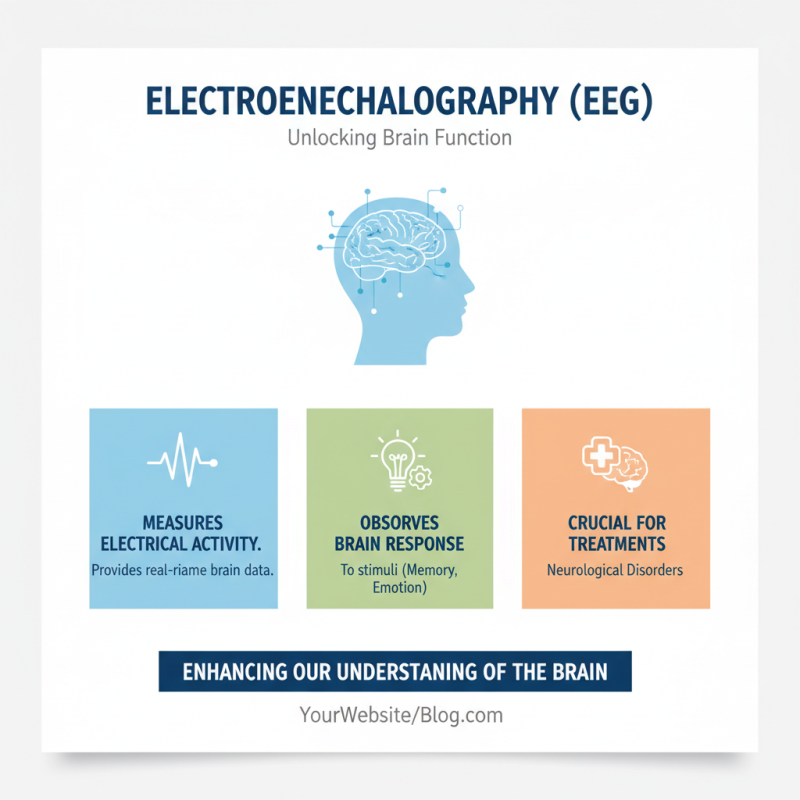
Electroencephalography (EEG) machines play a vital role in enhancing our understanding of brain function. They measure electrical activity in the brain, providing real-time data. This allows researchers to observe how the brain reacts to various stimuli. For example, during memory tests or emotional challenges, EEG machines reveal the brain's response patterns. These insights are crucial for developing treatments for neurological disorders.
Moreover, EEG technology aids in diagnosing conditions like epilepsy and sleep disorders. The detailed readings show abnormal brain waves, leading to timely interventions. This technology not only assists clinicians but also empowers patients with knowledge about their own neurological health. However, interpreting EEG data can be challenging. The complexity of brain activity often leaves room for misinterpretation.
In recent years, EEG has been explored in fields beyond medicine, including education and mental wellness. Some studies suggest it may enhance cognitive training and mindfulness practices. Nevertheless, fully understanding its impact requires more research. Relying solely on EEG can be misleading. Balancing it with other assessments is essential for a comprehensive understanding of brain health.
Monitoring real-time brain activity can enhance mental health in remarkable ways.
An EEG machine provides immediate feedback on brain function.
This technology captures electrical activity and reveals patterns related to emotions and
stress.
Users can visualize their brain states during various tasks. This helps identify triggers that impact mental wellness.
The insights gained from EEG monitoring can prompt meaningful changes. Individuals may adjust their behaviors based on their brain responses.
For instance, recognizing stress triggers could lead to healthier coping strategies.
Mindfulness practices can be modified according to real-time data. The goal is to cultivate a deeper
connection with one’s mental state.
However, challenges exist in interpreting EEG data.
Not everyone may feel comfortable with technology. Some might get overwhelmed by the feedback.
It’s crucial to approach this tool with patience and an open mind.
Understanding how to leverage this information may take time. People should reflect on their progress and stay curious.
Brain health is a journey, not a destination.
Electroencephalography (EEG) is crucial for diagnosing epilepsy. Its accuracy is remarkable, with studies showing sensitivity rates vary between 70% and 90%. This means EEG can often detect seizures effectively. In fact, one study noted that 85% of patients with confirmed epilepsy had abnormal EEG results. This statistic highlights the importance of the technology.
However, EEG does have limitations. It may miss seizures occurring deep in the brain. Approximately 30% of patients remain undiagnosed despite having epilepsy. This gap calls for improved techniques and technologies. Interpretation of EEG results can also be subjective, which adds another layer of complexity.
EEG is a non-invasive procedure. It records electrical activity, offering insights into brain function. The ability to customize monitoring sessions can enhance diagnosis. Yet, many facilities are under-resourced and may not provide timely results. Variability in data quality can lead to inconsistent diagnoses, underscoring the need for standardization in practices. Thus, while EEG's role in epilepsy diagnosis is invaluable, there remains room for improvement.
| Benefit | Description | Statistics or Facts |
|---|---|---|
| Accurate Diagnosis | EEG provides real-time monitoring of brain activity, aiding in diagnosing epilepsy and other neurological conditions. | Over 90% accuracy in identifying seizure activity in clinical settings. |
| Non-invasive | EEG is a non-invasive procedure, making it safer and less uncomfortable for patients. | No needles or incisions required. |
| Real-time Data | EEG provides instant feedback on brain function. | Immediate results allow for timely treatment adjustments. |
| Wide Application | Used in various medical fields, including psychiatry and neurology. | Applicable for sleep disorders, mental health evaluation, and more. |
| Research Benefits | Facilitates research on brain functions and various neurological disorders. | Critical tool in over 1,000 research studies annually. |
| Cost-effective | EEG tests are generally less expensive compared to other imaging techniques. | Costs range from $200 to $500 per session, depending on location. |
| Safety Monitoring | Ensures patient safety during procedures that may affect brain function. | Real-time monitoring can prevent complications. |
| Early Detection | Enables early identification of potential neurological issues. | Early intervention may reduce long-term impact on quality of life. |
| Patient Empowerment | Patients can engage with their treatment based on EEG findings. | Increases adherence to treatment plans due to better understanding. |
| Enhanced Treatment Outcomes | Guides adjustments in treatment to achieve better health outcomes. | Improves overall management of epilepsy with effective medication adjustments. |
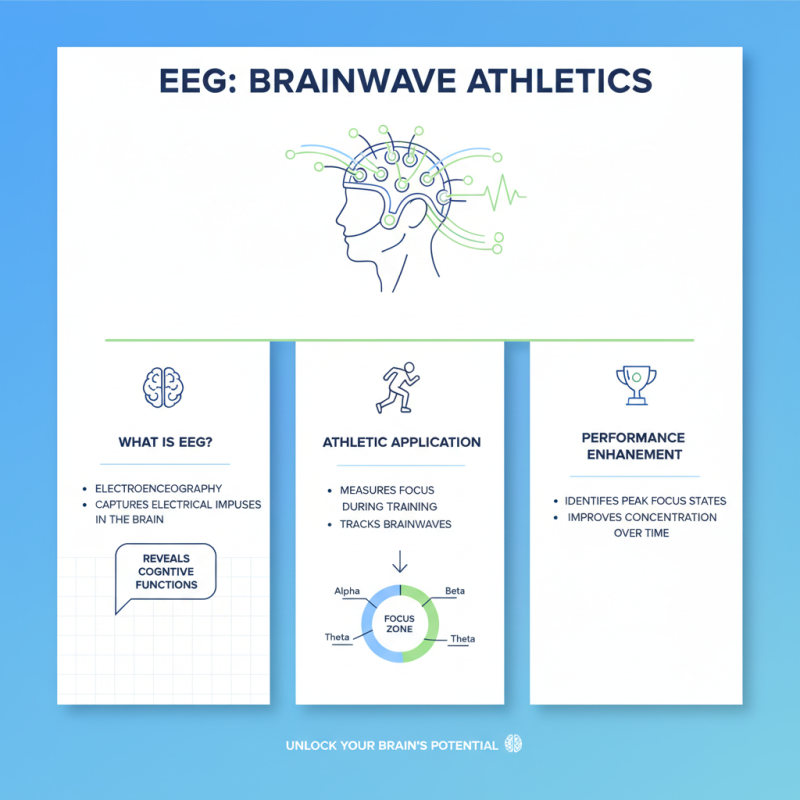
EEG, or electroencephalography, is a powerful tool for understanding brain activity. It captures electrical impulses in the brain, revealing insights into cognitive functions. Athletes often use EEG to measure focus during training. By tracking brain waves, they identify when they are in the zone. This can enhance their performance over time.
Beyond sports, EEG can help improve mental acuity. For students, it provides feedback on concentration levels. Imagine studying for an exam, and suddenly, the EEG shows a drop in engagement. It helps recognize distractions. However, not everyone reacts the same way. Some might feel overwhelmed by the data.
Utilizing EEG offers a glimpse into our brain’s inner workings. It tracks patterns without judgment. Yet, reliance on technology can shift focus away from natural awareness. Are we losing touch with our thoughts? Balancing tech use with self-reflection is vital. Ultimately, EEG serves as a guide, but our personal insights matter too.
EEG, or electroencephalography, plays a crucial role in understanding sleep patterns. It helps researchers monitor brain activity during sleep cycles. Studies reveal that poor sleep quality can lead to various health issues, including anxiety and depression. According to the National Sleep Foundation, about 35% of adults experience sleep disruptions that can adversely affect their daily life.
Using an EEG machine, researchers can detect different sleep stages. They can differentiate between REM and non-REM sleep. This data is vital for assessing sleep-related disorders. For instance, insomnia affects approximately 30% of adults. EEG records can highlight unique brain waves associated with these conditions. These findings are essential for developing effective treatment plans.
There are challenges in interpreting EEG data. The complexity of brain activity can lead to misunderstandings. Variability in results may also arise based on individual differences. While EEG provides valuable insights, it is not always foolproof. Researchers must carefully analyze trends to gain accurate conclusions about sleep health. Understanding these nuances can greatly enhance our approach to improving sleep quality.
Hi! Simply click below and type your query.
Our experts will reply you very soon.