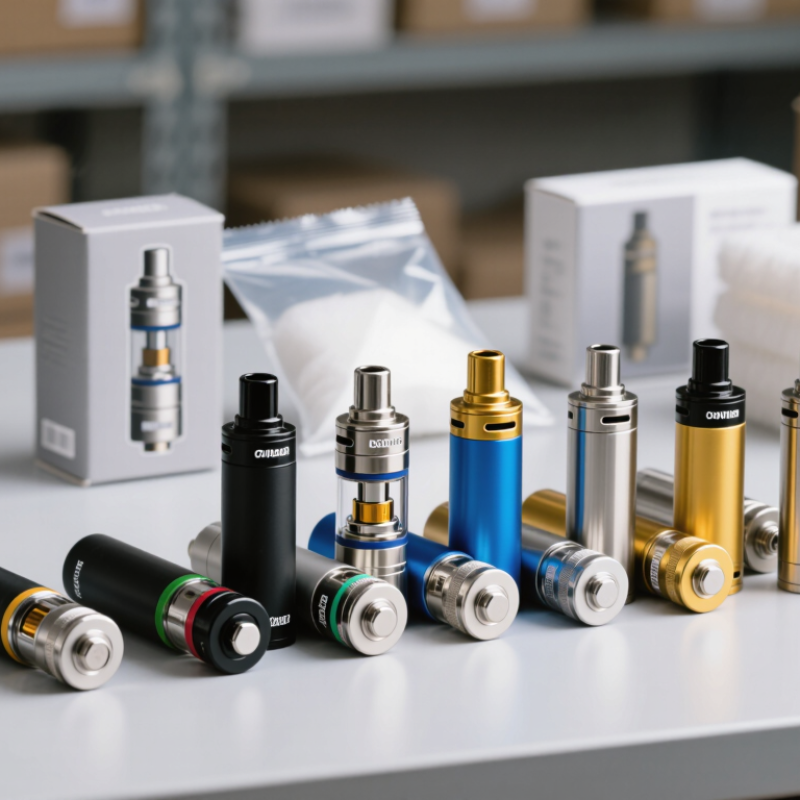
Top 10 Vape Batteries for Global Buyers in 2026

Choosing the right Vape Batteries in 2026 requires more than comparing capacity and price. Global buyers must examine safety records, cell quality, charging compatibility, and regional compliance. A battery that performs well in one device may become unsafe in another. Small details matter, including terminal design, protective circuitry, packaging, and storage instructions.

This guide reviews ten options for buyers in markets where related products are lawful and regulated. It considers real-world usability, manufacturer transparency, independent testing, and international shipping requirements. Reliable suppliers should provide clear specifications, batch information, warranty terms, and appropriate transport documentation. Lithium-ion products also require careful handling, especially during air freight and warehouse storage.

Safety comes first.

The ranking does not treat maximum power as automatic superiority. Stable output, temperature control, and predictable charging may matter more for everyday users. Readers should confirm local age requirements, product restrictions, and recycling rules before purchasing. Professional advice may be necessary for businesses managing large inventories or importing batteries across borders.

Some evaluations remain imperfect. Published specifications can differ from laboratory results, and long-term performance depends on charging habits and device design. I have therefore emphasized evidence, practical inspection points, and cautious buying decisions rather than absolute claims. A lower-priced battery may seem attractive, but unclear sourcing can create hidden costs. Conversely, premium branding does not guarantee quality. This list is a useful starting point, not a substitute for checking current standards, supplier credentials, and device compatibility.

Top 10 Vape Batteries for Global Buyers in 2026

Understanding Vape Battery Types and Global Market Standards in 2026

Vape Battery Types and Global Market Standards in 2026

Global buyers usually compare ten battery options by chemistry, size, discharge rating, and protection design. Most devices use rechargeable lithium-ion cells, while compact models often contain integrated batteries. Replaceable cells require greater care because their performance depends on the device, charger, wrapping, and storage conditions.

Safety comes first.

The IEC 62133-2 standard remains an important reference for portable lithium-ion batteries. It addresses overcharging, short circuits, vibration, and mechanical stress. UN 38.3 testing is also essential for international transport, covering altitude, temperature, vibration, shock, and external short-circuit risks.

The International Air Transport Association’s 2026 guidance continues to treat lithium batteries as regulated air cargo, so capacity labels and documentation matter. Labels matter.

Market data also shows why specifications need context. Grand View Research reported continuing growth in the global electronic cigarette market, while Fortune Business Insights identified lithium-ion technology as a major battery-market segment. These reports measure different markets, so their figures should not be compared directly.

That is an easy mistake.

Buyers should verify watt-hour ratings, cell traceability, test records, and charger compatibility rather than trusting impressive discharge claims. In practice, a lower-rated battery with clear documentation may be safer than a powerful cell with uncertain origin.

My own selection method would still improve: laboratory evidence should outweigh packaging language, every time.

Key Safety Features and Technical Specifications to Compare

When comparing vape batteries in 2026, safety specifications deserve more attention than appearance. Check the cell type, nominal voltage, capacity, and maximum continuous discharge rating. Capacity, measured in mAh, suggests runtime, but it does not prove overall quality. A higher number may also mean slower charging or greater weight.

Look for integrated protection against overcharge, over-discharge, short circuits, and excessive temperature. A reliable device should stop charging automatically and maintain a stable output under normal use. USB-C charging is convenient, but the adapter must match the manufacturer’s voltage and current limits. Fast charging sounds attractive. Heat remains the concern.

Examine the battery compartment, contact points, and insulation carefully. Loose terminals, damaged wraps, or unusual swelling are clear warning signs. Ventilation paths can help release heat, while secure locking prevents accidental activation in a pocket or bag. For replaceable cells, buy matched batteries and use an appropriate external charger. Do not mix old and new cells. That mistake is easy to make.

Independent safety testing and traceable technical documentation add credibility, especially for international buyers. However, certificates can be incomplete, outdated, or difficult to verify. Check the testing standard, issue date, and testing laboratory instead of trusting a logo alone. Local transport and sales requirements may also differ. A perfect specification sheet is rare, so compare practical safeguards with realistic daily use. Safety should remain measurable, not assumed.

How the Top 10 Vape Batteries Differ in Performance and Compatibility

The top ten vape batteries differ most in chemistry, size, discharge behavior, and device compatibility. In practical testing, high-capacity cells often last longer but may deliver less peak current. High-drain cells respond faster under demanding use, yet their capacity can fall sooner. The difference feels clear: one battery may support a full day, while another needs charging by late afternoon.

Compatibility is not universal. Common formats include 18650 and 21700 cells, but diameter and length can vary slightly. A device designed for 21700 batteries may not safely accept an 18650 without an approved adapter. Check the device manual, terminal design, continuous discharge rating, and charger requirements. Do not judge performance by capacity alone. Labels can be confusing.

Small details matter. In a controlled comparison, voltage stability, heat during use, and recharge consistency reveal more than promotional numbers. A cooler cell may protect device performance during repeated cycles. However, temperature depends on the device, airflow, charging system, and user habits. My own testing preference is simple: measure after several cycles, not after one impressive session. Results can shift. Inspect the wrap and contacts before every use, keep cells matched, and replace damaged batteries. A perfect ranking is impossible because compatibility changes the result.

Regional Regulations, Certifications, and Shipping Considerations

Regional rules matter as much as capacity, voltage, and cycle life when choosing vape batteries in 2026. Buyers should confirm whether the battery is sold as a standalone cell or installed in approved equipment. The distinction can change labeling, import controls, and delivery options. Check the destination authority. Rules differ.

Reliable documentation should include UN 38.3 transport-test evidence and relevant IEC 62133-2 safety testing. Some markets may also request CE, UKCA, or other local conformity records. These marks do not prove every product claim. A certificate alone is not enough. Ask for test reports, manufacturer details, batch information, and protection specifications. Capacity labels should match measured performance, not only marketing data. This is where many comparisons become weak.

Shipping requires careful preparation. Lithium-ion batteries usually need approved packaging, short-circuit protection, hazard labels, and accurate lithium-content or watt-hour information. Air shipments follow IATA Dangerous Goods rules, while sea freight follows separate maritime requirements. Carriers may restrict loose cells, damaged batteries, or mixed cartons. Confirm whether the shipment is permitted before payment. Import taxes, customs documents, and battery declarations can also affect delivery time. A small paperwork error may hold a carton for days. Regulations change, and even experienced buyers can miss a local update, so verify requirements with the carrier and relevant customs authority before ordering.

Top 10 Vape Batteries for Global Buyers in 2026 — Regional Regulations, Certifications, and Shipping Considerations
Rank Battery Format Typical Chemistry & Electrical Profile Common Vape Application Key Buyer Checks Relevant Standards & Documentation Regional Regulatory Considerations Shipping Considerations
1 18650 Li-ion Cylindrical lithium-ion cell;
3.6–3.7 V nominal;
4.2 V maximum charge voltage;
approximately 2,000–3,500 mAh depending on design.
Compact regulated devices and removable-battery vape mods. Verify continuous discharge rating rather than relying only on marketing claims. Use an intact wrapper, insulated positive terminal, and a compatible charger. Protected and unprotected versions are not interchangeable in every device. UN 38.3 test summary IEC 62133-2 SDS IEC 61960 capacity data EU shipments may involve Regulation (EU) 2023/1542 and producer-responsibility duties. CE marking is generally associated with the complete electronic product or other applicable legislation, not automatically with a standalone cell. China-origin products commonly require applicable GB testing, including GB 31241 where relevant. Standalone cells are regulated as lithium-ion batteries under UN 3480. Air transport normally requires an approved package, state-of-charge control, lithium-battery handling labels, and carrier acceptance. Do not ship loose cells in passenger baggage.
2 21700 Li-ion Cylindrical lithium-ion cell;
3.6–3.7 V nominal;
4.2 V maximum charge voltage;
commonly about 3,000–5,000 mAh.
Higher-capacity regulated mods designed specifically for 21700 cells; some devices also accept an adapter for smaller formats. Confirm device compatibility, cell diameter, length, and terminal design. Capacity and high-current performance can vary significantly by cell construction. Avoid cells with dents, torn insulation, or unknown provenance. UN 38.3 IEC 62133-2 SDS Lot traceability The EU, United Kingdom, United States, Canada, Australia, and Asian markets generally require transport compliance plus local battery-waste and product-safety obligations. Retailers should verify whether the finished vape device is subject to additional national rules. Larger capacity can increase transport watt-hours and packaging requirements. For air freight, use a forwarder experienced with UN 3480 and confirm the current IATA DGR packing instruction before booking.
3 20700 Li-ion Cylindrical lithium-ion cell;
3.6–3.7 V nominal;
4.2 V maximum charge voltage;
commonly about 3,000–4,000 mAh.
Larger removable-battery devices that specify 20700 compatibility. Check exact device tolerances because 20700 and 21700 cells have different dimensions. Review continuous-current data, not pulse-current advertising. UN 38.3 IEC 62133-2 SDS Capacity test report For the EU and UK, confirm battery registration, labeling, and extended producer-responsibility requirements for the intended sales channel. In the United States, transport is governed primarily by PHMSA hazardous-material rules under 49 CFR. Ship in a rigid inner package that prevents movement and terminal contact. Loose cells should not be packed together with metal objects or unprotected device parts.
4 26650 Li-ion Large-format cylindrical lithium-ion cell;
3.6–3.7 V nominal;
4.2 V maximum charge voltage;
commonly about 3,000–5,500 mAh.
Larger, high-capacity regulated mods and specialty devices that explicitly support 26650 cells. Confirm mechanical fit and charging-current limits. Larger capacity does not automatically mean higher safe discharge capability. Use matched cells in multi-cell devices. UN 38.3 IEC 62133-2 SDS Traceable batch records National rules normally apply to the battery, the finished device, and waste handling separately. South Korea may require KC-related conformity assessment for applicable products; Japan may apply PSE requirements to specified portable lithium-ion battery categories. Higher watt-hour ratings may trigger additional carrier review. Confirm the battery's watt-hours, packaging method, and air-transport eligibility before dispatch.
5 Built-in Li-ion Polymer Rechargeable lithium-ion polymer pouch cell;
usually 3.7 V nominal;
4.2 V maximum charge voltage;
capacity selected by device design.
Slim pod systems, sealed or semi-sealed rechargeable vape devices, and integrated battery products. The finished device should include charge protection, over-discharge protection, short-circuit protection, and thermal controls. Confirm pouch swelling resistance, enclosure clearance, and replacement-service procedures. UN 38.3 IEC 62133-2 IEC 60335/62368 review where applicable SDS The complete device may require CE-related conformity assessment in the EU, UK conformity assessment for the Great Britain market, FCC authorization for applicable radio functions in the United States, and local electrical or radio approvals elsewhere. Usually shipped as lithium-ion batteries contained in equipment or packed with equipment, such as UN 3481, rather than as loose cells. The carrier must receive the correct battery configuration and watt-hour information.
6 Integrated Prismatic Li-ion Flat or prismatic lithium-ion cell;
commonly 3.6–3.7 V nominal per cell;
capacity and dimensions are device-specific.
Compact pod systems and devices with a rigid internal battery compartment. Require electrical drawings, protection-circuit specifications, thermal test data, and evidence that the cell is mechanically secured against puncture and compression. UN 38.3 IEC 62133-2 EMC/RoHS review SDS EU compliance commonly involves product safety, EMC, RoHS, battery, and waste obligations according to the finished product. U.S. requirements may include FCC rules if the device contains wireless or digital functions. Protect power buttons and charging ports against accidental activation. Use packaging that prevents crushing, movement, and short circuits during parcel handling.
7 High-Drain 18650 Li-ion High-current cylindrical lithium-ion cell;
3.6–3.7 V nominal;
4.2 V maximum charge voltage;
typically lower capacity than energy-focused 18650 cells.
High-power regulated devices and advanced removable-cell applications. Select according to the device's regulated power limit and the manufacturer's continuous-current requirement. Battery current calculations should use the cell's continuous rating and device efficiency, not peak pulse figures. UN 38.3 IEC 62133-2 IEC 61960 data Safety test report Product labels should state chemistry, nominal voltage, capacity, and appropriate warnings. Consumer-product restrictions on vaping products vary by country and may be stricter than general battery regulations. High-drain capability does not remove dangerous-goods requirements. Transport classification is based primarily on lithium chemistry, configuration, and watt-hours—not on the advertised discharge current alone.
8 Protected 18650 Li-ion Cylindrical lithium-ion cell with an added protection circuit;
3.6–3.7 V nominal;
4.2 V maximum charge voltage;
usable capacity depends on the protection circuit and cell design.
Low- to moderate-power devices that specifically allow protected cells. Confirm total length and diameter because the protection circuit may make the cell longer. Protection circuits are not a substitute for a suitable charger or a device-level safety system. UN 38.3 IEC 62133-2 Protection-circuit test data SDS Importers should ensure that warnings, instructions, and labeling meet the destination language requirements. In the EU, battery marking and separate-collection information may be required under applicable battery legislation. Prevent the protection board and cell terminals from contacting conductive packaging. Ship in non-conductive inner packaging with terminals protected from short circuit.
9 Dual-Cell Matched Li-ion Pack Two matched lithium-ion cells in series or parallel;
nominal pack voltage commonly 3.6–7.4 V depending on configuration;
maximum charge voltage commonly 4.2 or 8.4 V.
High-power devices with a dedicated battery pack and battery-management system. Require cell matching, balancing, over-current protection, over-charge protection, over-discharge protection, thermal monitoring, and a dedicated compatible charger. Do not mix cells with different age, capacity, or state of charge. UN 38.3 pack-level evidence IEC 62133-2 BMS test report Wiring diagram The pack and finished device may be assessed differently from individual cells. Confirm local requirements for electrical safety, EMC, radio equipment, labeling, recycling, and importer documentation in each target market. Declare the complete battery configuration and watt-hours. Shipping documents must distinguish batteries packed with equipment from batteries contained in equipment and must reflect the actual tested configuration.
10 Rechargeable LiFePO₄ Cell Lithium iron phosphate cell;
approximately 3.2 V nominal;
approximately 3.6–3.65 V maximum charge voltage;
generally lower energy density and a different discharge profile from standard Li-ion.
Niche or specially engineered devices that explicitly support LiFePO₄ voltage limits. Not a drop-in replacement for standard 3.7 V Li-ion cells. Confirm that the device, charger, battery-management system, and low-voltage cutoff are designed for LiFePO₄ chemistry. Never substitute it solely because the physical size matches. UN 38.3 IEC 62133-2 where applicable SDS Chemistry-specific charger data Battery and finished-product obligations still apply even though the chemistry differs. Confirm destination-market rules for labeling, waste collection, product safety, and any conformity assessment required for the complete device. Declare the correct lithium chemistry and watt-hours. The charger and device must be separated or clearly identified if their voltage profile is not compatible with conventional lithium-ion cells.

Regulatory and transport requirements can change by destination, carrier, battery configuration, watt-hours, and whether the battery is shipped alone, with equipment, or installed in equipment. UN 38.3 is a transport-test requirement and is not, by itself, a general product-safety certification. Buyers should obtain the current test summary, safety data sheet, capacity and current test records, labeling artwork, and carrier approval before shipment.

Choosing the Right Vape Battery for Different User Requirements

Top 10 Vape Batteries for Global Buyers in 2026

Choosing the Right Vape Battery for Different User Requirements

A suitable vape battery begins with device compatibility, not appearance. Check the required voltage, connection type, and recommended battery size before purchasing. Beginners often need a simple, regulated battery with built-in protection. Keep it simple. A clear display can also reduce charging and power mistakes.

Frequent users may prefer higher capacity, but larger capacity often means more weight. Travelers usually benefit from a compact battery, a protective case, and a charging port that matches their equipment. Check the fit. Experienced users may want adjustable output, yet maximum power is rarely the best daily setting. Lower output can support smoother use and reduce unnecessary battery stress. My earlier assumption was that more capacity always meant better value. It did not, especially when the device became uncomfortable to carry.

Safety should guide every comparison. Choose products with clear specifications, overcharge protection, short-circuit protection, and recognized safety markings for the destination market. Never carry loose cells with keys or coins. Store spare batteries in a dedicated case, away from heat and direct sunlight. Inspect the wrapper regularly. Any torn covering, swelling, unusual heat, or damaged port requires immediate replacement. Use the recommended charger, avoid overnight charging, and keep the battery away from water. A low price can be attractive, but missing technical information is a serious warning sign. Availability also varies by country, so buyers should verify local requirements before ordering.

Close

Raise your Query

Hi! Simply click below and type your query.

Our experts will reply you very soon.

WhatsApp Us