China Top 10 Barometric Chamber Manufacturers for Sale
Choosing a Barometric Chamber For Sale requires more than comparing prices or cabinet sizes. This guide introduces ten Chinese manufacturers and explains what buyers can check before requesting a quotation. A chamber may support altitude simulation, pressure testing, or environmental research, depending on its design. The right choice depends on the test method, sample dimensions, operating range, and required data quality.
Look closely at pressure range, control stability, chamber volume, and sensor specifications. Ask how the supplier verifies performance and whether calibration records are available. Clear drawings, operating manuals, and responsive technical support also matter. Practical details count: door access, cable ports, noise, and the room needed for installation can affect daily use. Small things, but important.
The manufacturers in this overview are presented as options to investigate, not as a guarantee of suitability. Product configurations and service capabilities can vary, even within one company’s catalog. Request current specifications, confirm lead times, and discuss acceptance criteria before ordering. If possible, compare a sample test report with your own requirements. No single specification tells the whole story. That is easy to overlook when a listing looks polished. This introduction offers a starting point for a careful supplier review, while leaving room for buyers to verify claims directly and match equipment to their actual testing needs.
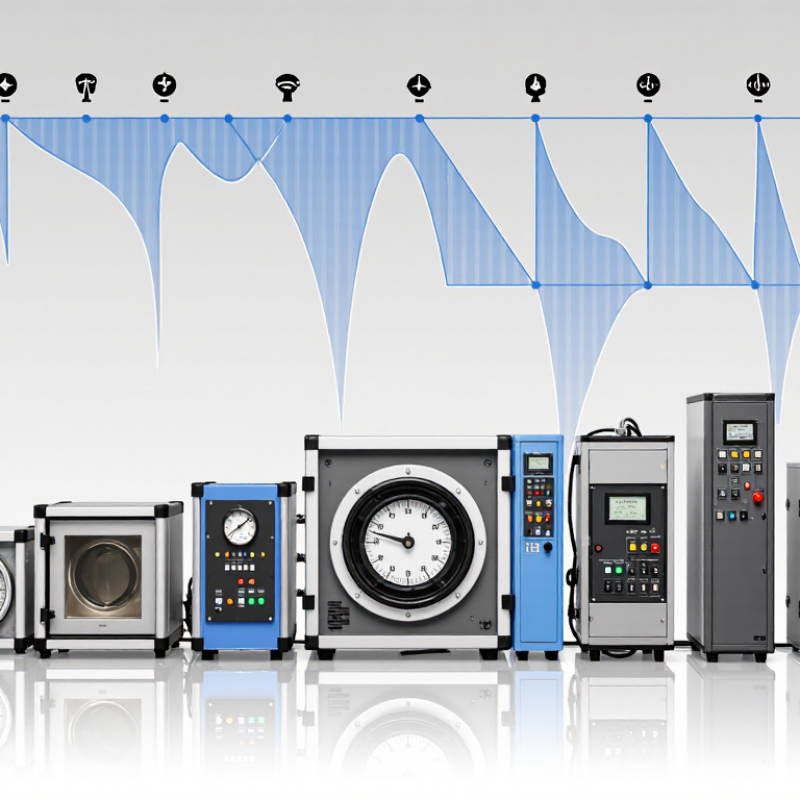
Understanding Barometric Chambers and Their Industrial Applications
A barometric chamber recreates reduced atmospheric pressure in a controlled space. It helps engineers examine how products respond when air pressure changes during transport, storage, or operation at altitude.
A chamber typically uses a vacuum system, pressure sensors, and programmable controls to reach and hold test conditions. Small details matter. Leaks, uneven loading, or poorly calibrated sensors can distort results.
Applications vary by industry.
Electronics teams may test whether connectors and sealed housings remain dependable at lower pressure. Packaging engineers can observe whether flexible pouches swell or seals weaken. Materials testing may reveal trapped air, outgassing, or changes in shape.
The test profile should reflect the product’s real exposure, including pressure level, duration, and any temperature changes. A dramatic pressure drop is not automatically a useful test. A neat laboratory result can still mislead if the chamber setup differs from field conditions.
Buyers comparing equipment should check working volume, pressure range, measurement accuracy, and calibration support, then confirm these requirements with qualified test engineers.
Profiles of 10 Chinese Barometric Chamber Manufacturers
China’s barometric chamber sector includes manufacturers with distinct engineering strengths. One group builds large chambers for whole-system altitude testing. Another specializes in compact units that fit crowded laboratory benches. A third combines low pressure with temperature and humidity control. A fourth adapts internal fixtures for vehicle components and instrument panels.
Some manufacturers focus on aerospace-style endurance cycles, with logged pressure changes and repeatable test sequences. Others supply modular chambers for university research, where flexible sensor access matters. A seventh profile centers on packaging and material tests, using controlled pressure ramps to reveal deformation. An eighth favors rugged equipment for production floors. Details matter.
The remaining profiles include system integrators that connect chamber controls with external test equipment, and smaller suppliers offering standard configurations at simpler price points. These are useful distinctions, not a verified ranking; capabilities vary by model. Buyers should compare usable volume, pressure range, ramp rate, temperature stability, calibration records, and service response. Ask how uniformity was measured, and request sample test data. Some catalogs look complete but leave that out. That gap deserves attention. A chamber may meet a stated pressure target while still being unsuitable for a specific test. Check the actual protocol before selecting equipment.
China Top 10 Barometric Chamber Manufacturers for Sale — Profiles of 10 Chinese Barometric Chamber Manufacturers
Reference atmospheric pressure at selected altitudes provides context for the pressure conditions that barometric chambers may simulate. Values are approximate International Standard Atmosphere figures; they are not manufacturer specifications or product test results.
Pressure decreases with altitude. Actual chamber conditions depend on the test profile and equipment calibration.
Comparing Product Features, Certifications, and Support
When comparing China’s top 10 barometric chamber manufacturers for sale, look beyond maximum vacuum and chamber volume. ISO 2533:1975 places standard atmospheric pressure at about 22.6 kPa at 11 km altitude, a useful reference when checking a supplier’s stated test range. Ask whether pressure readings are absolute or gauge values. The distinction matters. IEC 60068-2-13:2021 describes low-air-pressure test methods, so compare each chamber’s control stability, pressure-change rate, usable space, and recorded data against your test plan. A large chamber is not automatically the better choice.
Certification and support deserve equal scrutiny. ISO/IEC 17025:2017 sets competence requirements for testing and calibration laboratories; it is not a blanket product certification. Request current calibration records, the calibration range, and measurement uncertainty for pressure sensors. Check whether service technicians can support installation, troubleshooting, and spare-part supply at your site. Ask for a sample test report, too. Does it clearly show setpoint, actual pressure, temperature, and hold time? Small details matter. A polished specification sheet may still leave questions about recovery time after door opening or performance under repeated cycles. I would verify these points with a witnessed acceptance test, even if the process takes longer. Some requirements may be easy to overlook.
How to Select and Purchase a Barometric Chamber in China
When selecting a barometric chamber in China, define the test profile before comparing quotations. Record target pressure, ramp rate, hold time, temperature range, specimen size, and daily test frequency. NASA’s standard-atmosphere data gives approximately 22.6 kPa at 11 km altitude. Use this as a reference point, not a substitute for your product’s test specification. IEC 60068-2-13 describes low-air-pressure testing; ask suppliers to state how their controls reproduce your required profile.
Check usable chamber dimensions carefully. A large specimen can block airflow or complicate pressure recovery. Request pump-down curves, pressure uniformity results, sensor accuracy, leak-rate data, and calibration traceability. Ask for a witnessed acceptance test using your pressure setpoints. Short answer, clear evidence. Compare these records, not only the quoted vacuum limit.
Before purchase, inspect the factory’s assembly area and review sample test reports. Confirm power requirements, cooling needs, installation access, spare-parts availability, and service response times in writing. Ask whether the quoted cycle time includes loading and stabilization. It often does not. A detail that is easy to miss. Some buyers focus too heavily on chamber volume; I would also question how the supplier validates repeatability after maintenance. Request drawings, operating instructions, and a written acceptance checklist before paying the final balance.


