How to Choose the Best Red Light Therapy Panel?
Choosing the right Red Light Therapy Panel requires more than comparing glowing product photos and discount prices. You need to understand wavelength, irradiance, treatment area, safety controls, and the manufacturer’s evidence. A bright panel is not automatically a better panel. Sometimes, it is simply less transparent.
Michael R. Hamblin, PhD, a leading photobiomodulation researcher, explains, “Photobiomodulation is the use of light to stimulate healing, relieve pain and inflammation, and restore function.” His perspective encourages a practical approach. Look for panels that clearly list red and near-infrared wavelengths, such as 630–660 nanometers and 810–850 nanometers. Check whether irradiance is measured at a stated distance, not only at the device surface. A useful specification should tell you what reaches your skin at 6, 12, or 18 inches.
Details matter. Can the panel hang safely over your shoulders? Are the LEDs evenly distributed? Does it include eye-protection guidance, a timer, cooling vents, and a warranty? These features may feel less exciting than maximum power claims, but they affect everyday use. A panel that sits unused beside your desk has no practical value.
Be careful with promises. Red light therapy may support selected wellness goals, but results vary between people and conditions. Clinical research is encouraging, yet it is not a guarantee. Even experts can disagree about ideal doses. That uncertainty deserves attention. The best choice balances credible specifications, sensible expectations, comfort, and consistent use. Your skin, schedule, and treatment goal should guide the final decision.
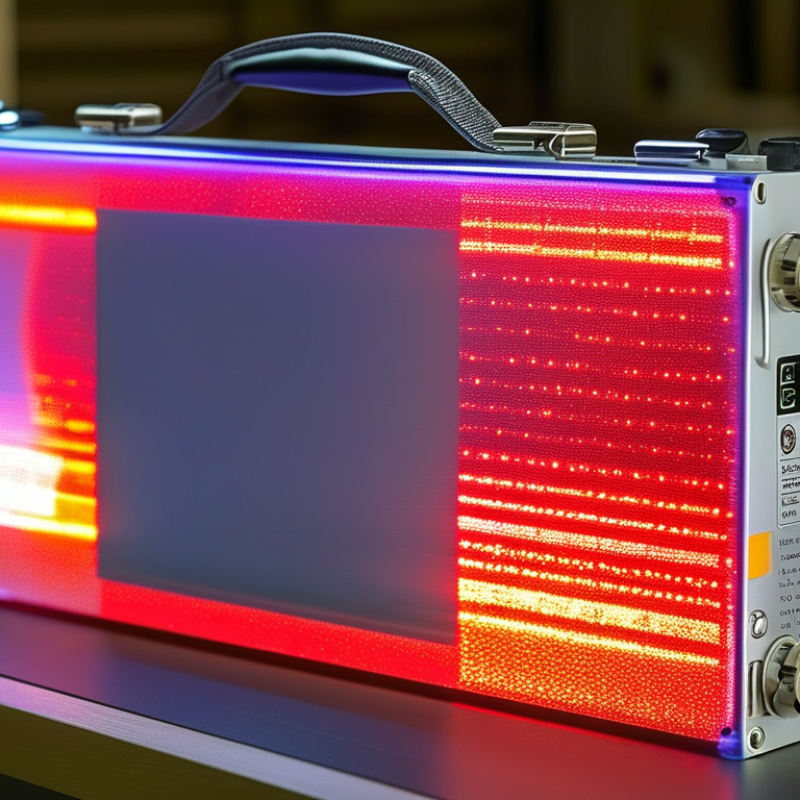
Understanding How Red Light Therapy Panels Work
How to Choose the Best Red Light Therapy Panel? Understanding How Red Light Therapy Panels Work
Red light therapy panels emit specific wavelengths that reach the skin and nearby tissues. Red light usually targets surface-level areas, while near-infrared light penetrates more deeply. Cells absorb these photons through structures linked with energy production. This process may support ATP production, circulation, and normal tissue repair. The response is biological, not magical. Results vary.
A panel’s performance depends on wavelength, irradiance, treatment distance, and exposure time. Irradiance describes the light power reaching each square centimetre. More power is not automatically better. Excessive exposure may cause warmth, dryness, or temporary redness. A practical check involves measuring the distance carefully and following the stated session time. Keep the panel stable, rather than moving it constantly. Protect your eyes when the instructions require it.
I once assumed a brighter panel would produce faster results, but that assumption needs more evidence. Clinical research supports several possible benefits, yet study methods and outcomes remain uneven. Look for clear technical data, safety instructions, and evidence from qualified medical or scientific sources. Avoid claims promising instant healing or universal results. People using photosensitising medication, or managing a medical condition, should ask a qualified clinician before treatment. Skin can feel warm. That does not prove the therapy worked.
How to Choose the Best Red Light Therapy Panel?
Understanding how red and near-infrared wavelengths work in photobiomodulation
Red light is generally associated with visible wavelengths around 620–700 nanometers, while near-infrared light extends beyond 700 nanometers and is not visible to the human eye. The wavelengths shown are commonly used in photobiomodulation research and consumer devices. When comparing panels, also check irradiance, treatment distance, coverage area, timer controls, and published safety information rather than choosing by wavelength alone.
Evaluating Safety, Quality, and Ease of Use
How to Choose the Best Red Light Therapy Panel?
Evaluating Safety, Quality, and Ease of Use
Choosing a red light therapy panel starts with safety, not brightness. In practice, check the stated wavelengths, irradiance measurements, and exposure guidance. A glowing surface proves very little. Reliable specifications should explain measurement distance and testing conditions. Numbers can change across a few centimeters. Check for a stable stand, insulated housing, ventilation, and an automatic timer. Heat matters. So does noise. Use eye protection when the instructions recommend it, especially during face treatments. Never treat discomfort as evidence that the device is working.
Quality is easier to judge through documentation than polished photography. Look for electrical safety testing, traceable manufacturing information, and a readable user manual. Independent laboratory reports are more useful than vague claims about professional strength. The panel should disclose its treatment area, power requirements, warranty terms, and cleaning instructions. If these details are missing, pause. Compare the promised output with published research, remembering that study conditions may not match home use. Evidence has limits.
Ease of use determines whether a careful routine survives a busy week. Controls should be simple enough to operate without guessing. A built-in timer can prevent accidental overuse. A panel requiring awkward positioning may be technically strong but practically poor. Place it on a stable surface, keep cables away from water, and follow the recommended distance. Start conservatively and record warmth, skin reactions, and session length. I sometimes want faster results, but impatience can lead to unnecessary exposure. Stop if pain, vision changes, or persistent redness appears, and seek qualified medical advice.
Selecting the Best Panel for Your Budget and Space
Choosing the best red light therapy panel starts with your room, not the product page. A powerful panel is useless if it blocks a doorway or remains in storage. Measure the wall.
For a bedroom, a compact panel may fit beside a mirror or desk. Larger rooms can accommodate wider panels for treating more body area at once. Space affects setup time, comfort, and how consistently you use it. Start smaller. A movable stand may cost extra, but it can prevent awkward positioning.
Budget should cover more than the purchase price. Check irradiance, wavelength information, treatment area, timer controls, warranty, and return terms. Ask whether testing data comes from an independent laboratory. A lower-priced panel can be practical when its specifications are clear and its coverage matches your needs. However, impressive numbers do not automatically prove better results. I would rather choose reliable documentation than chase the highest output. Leave room for electricity, protective equipment, or a stable stand. Avoid paying for features you will not use.
Look for clear instructions and sensible safety guidance. A timer can reduce guesswork, while adjustable intensity may help sensitive users begin gently. Red light therapy is not a guaranteed treatment for every condition, and evidence varies by purpose. Use consistent sessions, follow the stated distance, and keep a simple record of skin changes or discomfort. If you have a medical condition or take light-sensitive medication, ask a qualified healthcare professional first. The honest answer is that results may be subtle. That matters.


