Bankim Nagar, Siliguri, West Bengal
Wrinkles develop through time, sun exposure, facial movement, and changes in skin structure. A face mask may soften the look of dryness, but it cannot erase established lines. That distinction matters.
A 2013 clinical study in the International Journal of Cosmetic Science estimated that sun exposure may account for up to 80% of visible facial aging among the women studied. The finding is not a promise about every skin type. It does, however, explain why dermatologists emphasize daily sun protection alongside moisturizers and other skin-care choices. The American Academy of Dermatology also recommends broad-spectrum sunscreen as part of routine skin care.
Choosing a Face Mask For Wrinkles means looking beyond dramatic packaging. Ingredients such as glycerin and hyaluronic acid can help skin hold moisture, making fine lines look less noticeable for a while. Retinoids have stronger evidence for improving signs of photoaging, but they may irritate some skin and are not suitable for everyone. Masks vary, too. A rich cream mask can feel comforting on dry cheeks; a fragranced formula may leave sensitive skin feeling tight or flushed.
Small details count. Check the ingredient list, follow the stated wear time, and test a new product on a discreet patch of skin. Results are usually modest. That can feel disappointing, but honest expectations make comparisons more useful—and safer.
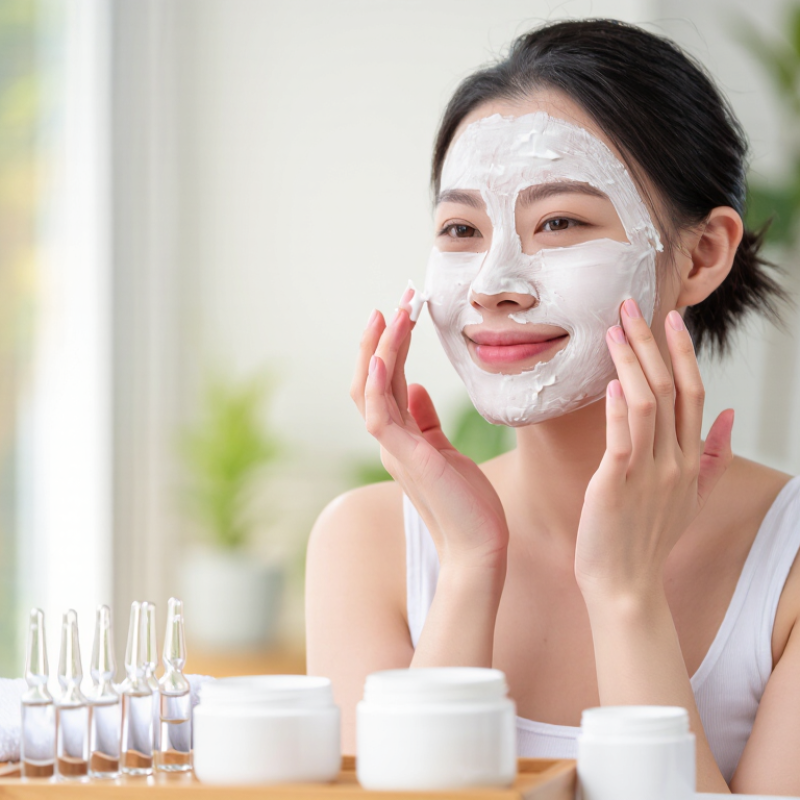
Face masks address wrinkles mainly by changing the skin’s surface hydration, not by rebuilding collagen overnight. Humectants such as glycerin attract water to the outer skin layer, while emollients soften rough patches and occlusive ingredients help limit water loss. This can make skin look temporarily plumper, so fine lines may appear less noticeable after use. Short-lived, but real. A mask is unlikely to erase deeper wrinkles or reverse sun damage. Its effects depend on the ingredients, your skin barrier, and how your skin responds. The evidence is less dramatic than some product claims suggest.
A 2013 study in Clinical, Cosmetic and Investigational Dermatology estimated that ultraviolet exposure accounted for about 80% of visible facial aging signs. That puts a hydrating mask in perspective: it can support comfort and moisture, but it does not replace daily sun protection. When choosing a mask, look for moisturizing ingredients and avoid formulas that leave your skin stinging or unusually tight. If your skin is sensitive, test a small area first. Not a reset. And even a gentle mask can irritate some people, so pay attention to how your skin feels afterward.
Compare the evidence for wrinkle care—not the size of the wrinkle reduction. Face masks can hydrate skin and temporarily soften the look of fine lines, but they are not proven to deliver lasting wrinkle reduction.
How to read this chart: Ratings are qualitative evidence tiers, not measured treatment effects: 1 = limited evidence for lasting wrinkle reduction; 2 = supportive evidence for the stated benefit; 3 = well-established role in wrinkle care. Masks are rated for temporary hydration and smoothing; sunscreen is included for prevention of photoaging.
For a mask, look for moisturizing ingredients such as glycerin or hyaluronic acid, and choose a formula that suits your skin. For longer-term wrinkle care, dermatologists commonly recommend sun protection and may recommend topical retinoids.
Sources: American Academy of Dermatology, Wrinkle remedies and Retinoid or retinol?
How to Choose the Best Face Mask for Wrinkles?
Identifying Ingredients That Support Smoother-Looking Skin
When choosing a face mask, look for ingredients that hydrate and temporarily soften the look of fine lines. Glycerin and hyaluronic acid attract water, which can make dry skin appear plumper for a while. The effect is subtle, not a reset. After rinsing, skin may feel comfortable and look smoother, but hydration alone does not erase wrinkles.
Niacinamide may support the skin barrier and improve the appearance of uneven tone with regular use. Peptides are another option, though results depend on the formula and can be modest. A mask sits on skin briefly, so avoid expecting dramatic changes from one application. Check the ingredient list, especially if fragrance or strong exfoliants tend to irritate you.
Choose a mask that suits your skin, not just the promise on its jar. Apply it to clean skin and follow the stated wear time; longer is not necessarily better. If it stings or leaves lasting redness, rinse it off. Patch-test a new formula first, particularly if your skin is reactive. I have found that comfort matters: a mask that leaves skin tight may feel satisfying at first, yet it is not a sign of better wrinkle care. Keep expectations modest. A steady routine and daily sun protection generally matter more than an occasional treatment.
Choosing a wrinkle-focused mask starts with how your skin feels, not your age. Dry or tight skin may prefer a creamy mask with glycerin, hyaluronic acid, or ceramides. These ingredients help hold water and support the skin barrier. After rinsing, skin may look temporarily smoother. The effect is subtle. A mask will not erase deeper lines.
If your skin is oily or combination, try a light gel mask instead of a rich, heavy formula. Clay can reduce surface oil, but frequent use may leave skin dry and make fine lines look more noticeable. Use it only where needed, such as the forehead or nose. Sensitive skin often does better with fragrance-free formulas and fewer active ingredients. Patch-test first, even if the product looks gentle.
Think about your main concern: dryness, dullness, or irritation. A hydrating mask can suit several of these needs, while exfoliating masks may bother skin that is already reactive. Check the ingredient list, and stop using a mask if burning or persistent redness develops. One detail is easy to overlook: a pleasant cooling feel does not prove a mask is working. Keep the routine simple, and judge results in daylight over time.
When choosing a face mask for wrinkles, read the full ingredient list, not just the front label. “Dermatologist tested” does not explain what was tested or how many people took part. Look for clear details behind claims such as “clinically proven,” including the study size and duration. A mask may temporarily soften the look of fine lines by hydrating skin; that is different from permanently reducing wrinkles.
Pay attention to fragrance, essential oils, and strong exfoliating ingredients, especially if your skin is sensitive. The North American Contact Dermatitis Group’s 2019–2020 patch-test report found fragrance mix I reactions in about 10% of tested patients. These were people referred for patch testing, not a random sample of all consumers, so the figure should not be treated as everyone’s risk. Still, it’s a useful reminder. Try a small amount on a discreet area first, and follow the product’s wear time. Stinging is not proof that a mask is working.
Check the package for a complete ingredient list, use instructions, and a way to contact the manufacturer about reactions. Avoid applying a new mask on freshly irritated or broken skin. Even careful screening is imperfect; ingredients can bother one person and suit another. If redness, swelling, or itching persists, stop using the product and seek advice from a qualified health professional. A soothing feel is nice, but it is not evidence of wrinkle treatment.
A face mask may temporarily make skin look smoother by adding moisture, but the mask format alone does not establish that it reduces wrinkles. Check the full ingredient list, directions, and evidence for the specific claim.
| What to Check | What the Evidence or Label Can Tell You | Safety Considerations | Practical Choice |
|---|---|---|---|
| Hydrating ingredients | Humectants such as glycerin and hyaluronic acid help attract water to the outer skin. Hydration can temporarily make fine lines look less noticeable; this is not the same as permanently removing wrinkles. | Even commonly used ingredients can irritate some people. Stop using the product if persistent burning, redness, itching, or swelling occurs. | For dry or dehydrated skin, consider a simple hydrating mask and follow its stated contact time. |
| Claims about wrinkle reduction | Look for clear, specific claims and evidence relevant to the finished product. A claim about temporary hydration does not prove a lasting change in wrinkles. | Be cautious of promises of instant, permanent, or dramatic wrinkle removal. A product’s marketing language is not, by itself, proof of effectiveness. | Compare the claim with the ingredient list and directions; avoid relying on before-and-after images alone. |
| Exfoliating acids, such as glycolic or lactic acid | Alpha hydroxy acids can exfoliate the skin’s surface. Some evidence supports benefits for signs of sun-damaged skin, but results depend on the formulation and use. | They may cause stinging, dryness, or irritation, especially when used too often or alongside other irritating products. Exfoliation can increase sensitivity to sunlight. | Choose a clearly labeled product, follow directions, and use sun protection during the day. Do not leave a mask on longer than directed. |
| Retinoids | Topical retinoids have evidence for improving some signs of photoaging, but that evidence should not automatically be applied to every mask containing a retinoid. | Retinoids can cause dryness, redness, and peeling. People who are pregnant or planning pregnancy should ask a healthcare professional about avoiding topical retinoids. | Check the exact retinoid and usage directions. Seek professional advice if you have sensitive skin or are already using prescription skin treatments. |
| Fragrance and essential oils | These ingredients can add scent but are not necessary for a mask to provide hydration. | Fragrance ingredients and essential oils can trigger irritation or allergic contact dermatitis in some people. | If you have a history of fragrance sensitivity, consider a fragrance-free option and check the ingredient list. |
| Preservatives and other potential irritants | Preservatives help protect water-based products from microbial contamination. Their presence does not automatically mean a product is unsafe. | Some people can develop irritation or allergy to particular preservatives or other ingredients. A reaction may depend on individual sensitivity and exposure. | Do not choose a product solely because it says “preservative-free.” Review the complete ingredient list and discontinue use if a reaction develops. |
| Directions, warnings, and packaging | Check how long to leave the mask on, how often to use it, storage instructions, and any warnings. Follow the product’s stated use. | Avoid applying a mask to broken or actively irritated skin unless a healthcare professional advises otherwise. Keep products away from the eyes unless labeled for that area. | Use clean hands, do not share single-use masks, and discard products that have changed in smell, color, or texture. |
| Testing a new product | A small-area use test may help identify an immediate reaction, but it cannot guarantee that a product will never cause irritation or allergy. | Stop use if a rash, significant discomfort, or swelling occurs. Seek medical care for a severe reaction or symptoms involving the eyes or breathing. | Try one new product at a time and follow its label. If you have recurring reactions, consult a dermatologist. |
| Sun protection | A wrinkle-focused mask is not a substitute for daily sun protection. Broad-spectrum sunscreen helps protect skin from UVA and UVB radiation. | Use sunscreen according to its label and reapply as directed, especially during extended outdoor exposure. Some exfoliating products may make sun protection particularly important. | Use a separate broad-spectrum sunscreen with SPF 30 or higher as part of daytime care; do not assume a mask provides sun protection unless it is specifically labeled for it. |
Note: Skin responses vary, and evidence for an ingredient does not guarantee the same result from every product or mask format. For persistent irritation, a skin condition, or questions about active ingredients, consult a qualified healthcare professional.
Apply a face mask to clean, dry skin, and follow its stated wear time. A hydrating mask with ingredients such as glycerin may temporarily plump the skin and soften the look of fine lines. It will not remove wrinkles. Keep the first use simple: try a small patch of skin and watch for redness, itching, or burning. Skip the mask if your skin is already irritated. More time is not better.
Tips: Take off rings, tie back your hair, and set a timer. Keep the mask away from your eyes and lips unless its directions say otherwise. If it stings, rinse it off. That matters more than finishing the treatment.
Evaluate results in consistent conditions. Take a photo before use and another later, in the same room and lighting, without makeup. Notice whether your skin feels comfortable and looks less dry, not just whether it appears smoother right after removal. That quick effect may fade. Use the mask only as often as directed, and avoid adding several new products at once; otherwise, it can be hard to tell what caused a reaction. Results vary, and I would not treat one good photo as proof. Stop use if irritation persists, and ask a dermatologist about ongoing concerns.
Hi! Simply click below and type your query.
Our experts will reply you very soon.
