How to Choose ENT Medical Equipment for Your Clinic?
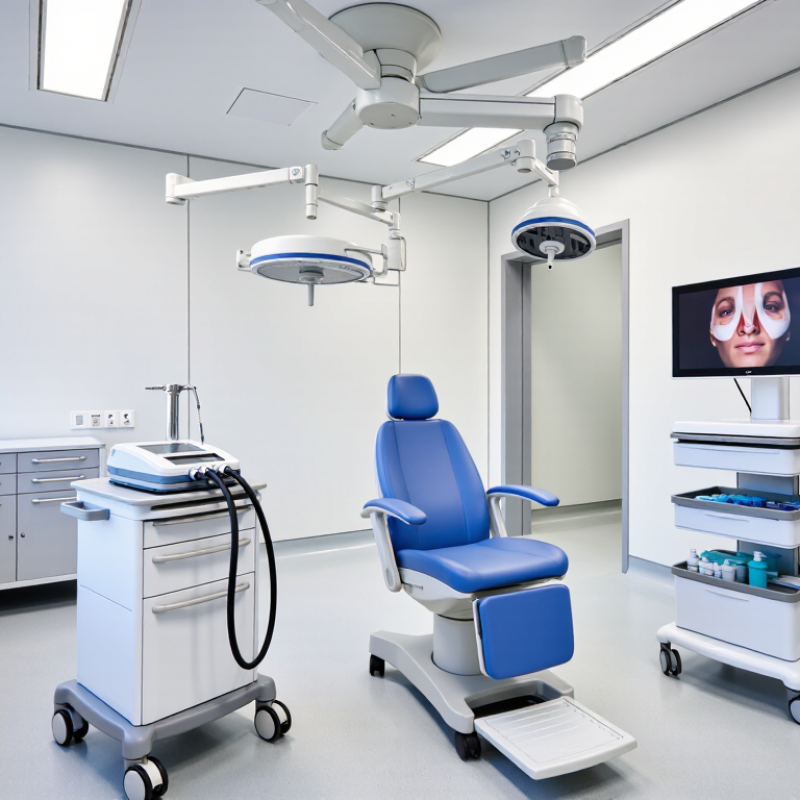
Choosing the right Ent Medical Equipment can shape how safely and efficiently your clinic serves patients. A flexible nasoendoscope, reliable examination chair, or clear video system can improve daily diagnosis. However, attractive specifications do not guarantee practical value. The equipment must match your patient volume, room layout, staff skills, and clinical services.
Start with the workflow, not the catalogue. Measure the examination room carefully. Check doorway width, power outlets, lighting, storage, and cleaning areas. Small details matter. A bulky tower may block staff movement. A poorly positioned monitor can strain the clinician’s neck. Infection prevention is equally important, so select devices with documented reprocessing instructions and compatible materials. Verify warranties, calibration support, replacement parts, training, and response times before purchase. These details often matter more than a discount.
Clinical guidance, manufacturer documentation, and advice from experienced ENT professionals can support a safer decision. Ask whether the supplier provides installation and hands-on training. Request a demonstration using realistic patient scenarios. Compare image quality, ergonomics, durability, and total ownership costs instead of focusing only on the purchase price. Standards and requirements may vary by region, so confirm local compliance through qualified regulatory or clinical advisers. No checklist replaces professional judgment. That is worth remembering. A perfect choice may not exist, and early assumptions may need revision after staff testing. The best solution is usually dependable, serviceable, and appropriate for your clinic’s actual needs.
Define Your Clinic’s ENT Care Needs and Patient Volume
How to Choose ENT Medical Equipment for Your Clinic?
Define your clinic’s ENT care needs before comparing equipment. The World Health Organization’s World Report on Hearing estimates that over 1.5 billion people live with hearing loss. More than 430 million require rehabilitation services. This scale shows why hearing assessment may deserve a clear place in your service plan.
Review your patient records from the past six to twelve months. Count otoscopy, audiometry, endoscopy, suction, foreign-body removal, and minor procedures. Separate scheduled visits from urgent cases. A clinic seeing ten ear examinations daily needs different workflow support than one handling complex airway assessments. Track peak hours, room turnover, and staff training. Small details matter.
NIDCD estimates that about 28.8 million U.S. adults could benefit from hearing aids. If your clinic serves older adults, add reliable audiometric testing and accessible patient instructions.
If children form a large share, consider quieter rooms, flexible fittings, and faster screening tools. Choose equipment that matches actual demand, not impressive specifications. That mistake is common.
Ask whether staff can clean, calibrate, and document each device consistently. Check service intervals, replacement parts, and compatibility with your records system. A cheaper unit may become expensive during downtime. I would also leave some capacity for growth, but not too much. Forecasts are useful; local patient behavior is usually messier.
Match Equipment Features to Diagnostic and Treatment Requirements
Choosing ENT medical equipment starts with the clinical question, not the catalogue. The World Health Organization’s World Report on Hearing (2021) estimates that over 1.5 billion people live with hearing loss. That number may reach 2.5 billion by 2050. Clinics need reliable assessment tools, not impressive specifications alone.
Match each device to a defined diagnostic or treatment task. For suspected middle-ear disease, a tympanometer should provide stable pressure measurements and clear interpretation. A diagnostic audiometer needs calibrated frequencies, controlled output, and simple patient-response controls. For nasal and laryngeal examinations, an endoscope should offer sufficient image detail under realistic lighting. If treatment includes suction or minor procedures, prioritize adjustable pressure, easy cleaning, and safe handpiece handling. CDC disinfection guidance classifies instruments contacting mucous membranes as semicritical devices, requiring high-level disinfection.
Workflow matters as much as performance. A device that takes ten minutes to prepare may reduce daily capacity. Choose displays readable in dim rooms, accessories that can be replaced locally, and software that exports structured records. Calibration intervals should be documented and verified by qualified personnel. Staff training is essential.
Do not overtrust automation. A neat report can still hide poor positioning or patient fatigue. I would test equipment with real staff, real rooms, and difficult cases before purchasing. The WHO report highlights major global gaps in ear and hearing care, so affordability and maintainability deserve equal attention. Fancy equipment often fails when servicing is slow.
Evaluate Safety, Quality, Compatibility, and Ease of Use
Choosing ENT medical equipment requires more than comparing prices or screen resolution. Safety should guide every decision. The WHO Global Patient Safety Report 2024 estimates that one in ten patients experiences harm during healthcare, with over half considered preventable. In an ENT clinic, inspect suction controls, electrical protection, illumination, and emergency shut-off access. Ask whether staff can clean every contact surface without hidden gaps.
Quality means consistent performance under daily pressure. Check service records, calibration procedures, warranty terms, and replacement-part availability. ECRI’s Top 10 Health Technology Hazards for 2024 highlights inadequate cleaning and disinfection of flexible endoscopes as a serious risk. Compatibility matters too. Confirm connector types, imaging systems, power requirements, software support, and compatibility with existing examination chairs. A device may work well alone but fail inside your workflow. Ease of use is clinical safety, not luxury. Clear controls, balanced handles, readable displays, and quick setup reduce mistakes during busy appointments. Still, no checklist is perfect.
Tips: Test equipment with the actual clinicians who will use it. Simulate a full examination, including cleaning and storage. Measure setup time. Ask staff to identify one confusing control. If training takes too long, reconsider the purchase. Document acceptance testing, maintenance intervals, and user feedback. A cheaper device can become expensive when cleaning is difficult, downtime increases, or staff avoid using it correctly. Recheck assumptions after three months; real clinic experience often exposes weaknesses that demonstrations hide.
How to Choose ENT Medical Equipment for Your Clinic
Recommended evaluation priorities for safety, quality, compatibility, and ease of use
Safety — 5/5 Verify electrical safety, risk controls, alarms, cleaning procedures, and compliance with applicable medical-device requirements.
Quality — 4/5 Review clinical performance, image or examination quality, durability, calibration records, and service documentation.
Compatibility — 4/5 Check power requirements, accessories, patient connectivity, software integration, room layout, and infection-control compatibility.
Ease of Use — 3/5 Assess workflow, controls, display clarity, training time, ergonomics, and the availability of user instructions.
The scores are an illustrative clinic evaluation model, not market-share or manufacturer data. Actual requirements should be confirmed against local regulations, clinical use, and the equipment’s intended purpose.
Build a Practical Equipment Plan for Future Clinic Growth
How to Choose ENT Medical Equipment for Your Clinic?
A growth-ready ENT equipment plan should begin with patient volume, not attractive features. Estimate daily consultations, procedures, and expected referrals over three years. My early plans focused too much on purchase price. That caused crowded rooms and underused equipment.
Start with a reliable examination chair, diagnostic light, otoscope, suction unit, and flexible storage. Leave clear space around the chair for staff movement and emergency access. Choose equipment with adjustable settings and replaceable consumables. Modular systems can support later upgrades without rebuilding the room.
Think beyond the first year. A clinic may add audiology, endoscopy, minor procedures, or another consultation room. Select compatible electrical connections, data points, and sterilization capacity during renovation. Measure door widths and elevator access before ordering large devices. Small details matter.
Record expected usage for every major device. A microscope used twice weekly may not deserve the same budget as a daily endoscopy system. Ask suppliers for service intervals, training details, warranty terms, and spare-part availability. Independent maintenance records can reveal recurring problems.
Keep learning.
Staff should test the workflow before installation. A trial layout often exposes poor monitor angles, long cable routes, or missing waste containers. Not every advanced feature improves care. Some increase training time and maintenance costs. Review the plan with clinicians, nurses, technicians, and infection-control personnel. Their criticism may feel inconvenient, but it can prevent expensive changes later.


