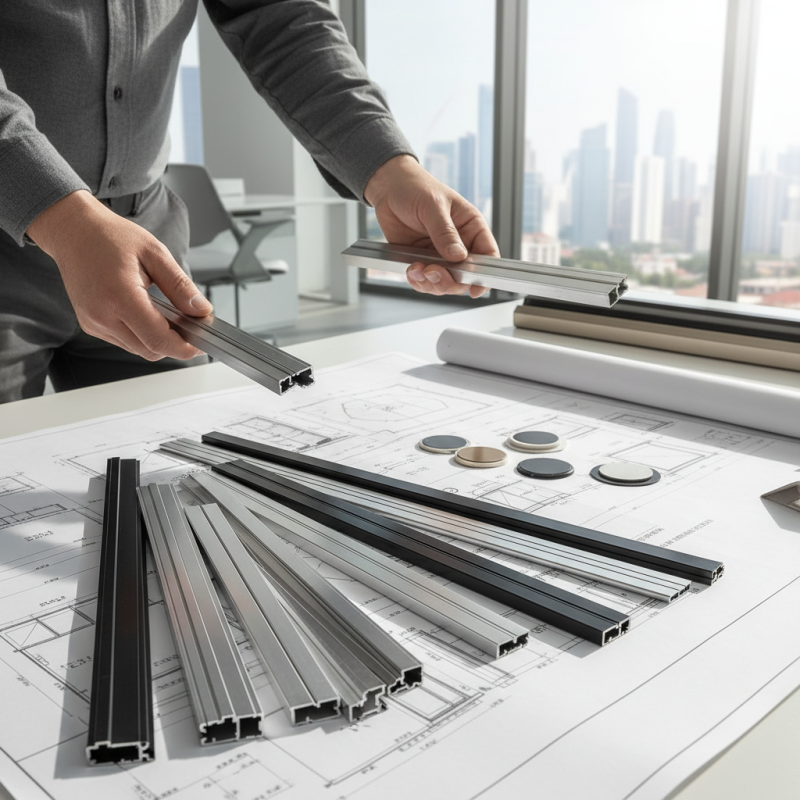
How to Choose Slim Profile Aluminum for Your Projects?
Selecting the right materials is crucial in construction projects. One standout choice is Slim Profile Aluminum. Its versatility makes it an ideal solution for various applications. However, the decision-making process can be complex.
Understanding the benefits of Slim Profile Aluminum is essential. It offers a lightweight solution without sacrificing strength. This material allows for sleek designs, which appeal to modern aesthetics. On the flip side, you must consider how it fits your specific needs. Each project has its unique requirements.
There are challenges in selecting Slim Profile Aluminum. Not all suppliers offer the same quality. You may find variations in durability and finish. It's vital to research trusted manufacturers. Consider samples before making a final choice. A well-informed decision will reflect the quality of your project.
Understanding Slim Profile Aluminum: Definition and Advantages
Slim profile aluminum has gained popularity across various industries, thanks to its unique properties. Its lightweight nature makes it easier to handle and transport. According to industry reports, aluminum’s strength-to-weight ratio is significantly higher than that of steel, offering a sturdy option for projects without excessive bulk. This advantage is crucial in sectors like construction and transportation, where weight reduction can enhance efficiency and performance.
Moreover, slim profile aluminum is resistant to corrosion. This quality extends the lifespan of products made from it. A study by the Aluminum Association indicates that refinishing and replacement costs for aluminum components are significantly lower compared to other materials. This long-term economic benefit plays an essential role when evaluating material choices for projects.
While the advantages are clear, potential drawbacks exist. Slim profile aluminum can be more susceptible to dents compared to thicker alternatives. This vulnerability should be considered during the design process. A careful balance between aesthetic appeal and functional strength is necessary. Reflective considerations can lead to optimizing design while mitigating risks associated with aluminum’s thinner profiles.
Identifying Key Factors in Selecting Slim Profile Aluminum
When selecting slim profile aluminum, consider several key factors. First, understand the project's specific requirements. Are you prioritizing weight, strength, or aesthetics? Each factor can significantly impact your decision. For instance, lighter aluminum is often used in portable applications, while sturdier options may be essential for structural components.
Thickness and finish also matter. A thinner profile can reduce weight but may not always provide adequate strength. Consider the environment where the aluminum will be used. Will it face harsh weather or exposure to chemicals? Choose a finish that enhances durability and corrosion resistance. Anodized or powder-coated surfaces can offer lasting protection.
Design flexibility is another crucial aspect. Slim profiles can fit into various spaces, but ensure they meet your project’s needs. Visualizing your project can help identify whether a specific profile suffices. If unsure, prototypes may reveal issues that need reevaluation. This reflective process can lead to better outcomes and informed choices in aluminum selection.
Evaluating Strength and Durability Requirements for Your Project
When selecting slim profile aluminum for your projects, strength and durability are key considerations. Aluminum is lightweight, but its strength varies based on alloy composition and treatment. Evaluate the specific loads your project will encounter. Will it face bending forces or impact stresses? Knowing these factors guides you in choosing the right alloy.
Examining durability is equally important. Aluminum is corrosion-resistant, yet certain environments can affect its lifespan. In coastal areas, salt spray can lead to corrosion. Consider how your project will be used over time. Will it be exposed to extreme weather conditions? Understanding these potential challenges helps you make an informed decision. The right choice can mean the difference between a successful project and costly repairs down the line.
Reflect on prototypes and tests. They can reveal weaknesses early on. There’s often a gap between specifications and real-world performance. Seek feedback from colleagues who have worked on similar projects. Their experiences can highlight overlooked issues and lead to stronger choices. Aim for a balance between weight and strength to achieve the best outcome.
Exploring Design Options and Aesthetic Considerations
When considering slim profile aluminum for your projects, aesthetics play a crucial role. Designers often seek sleek lines and minimalistic forms to enhance visual appeal. According to industry reports, 70% of consumers prefer designs that feature clean, refined finishes. This preference is evident in areas like architecture and furniture, where slim aluminum profiles can create a modern look.
However, achieving the right balance between aesthetics and functionality can be challenging. The thickness of aluminum impacts durability and flexibility. A report from the Aluminum Association indicates that thinner profiles can compromise strength, complicating their application in structural elements. It is essential to assess the specific requirements of your project, ensuring that beauty does not come at the cost of performance.
Moreover, color and surface treatment significantly influence overall design. While raw aluminum offers a contemporary finish, anodizing or powder coating can provide opportunities for personalization. Despite the advantages, the selection process can become overwhelming, as seen in a recent market analysis. Designers must weigh visual impact against practicality, making informed choices that reflect both style and structural integrity.
Assessing Cost-Effectiveness and Sourcing Options for Materials
Choosing the right slim profile aluminum for your projects involves careful evaluation of both cost-effectiveness and sourcing options. It's crucial to understand the price fluctuations that can occur due to market demand. Always gather multiple quotes from suppliers to ensure you're getting a fair price. Prices vary based on location, material grade, and quantity. Don’t hesitate to negotiate.
Consider sourcing locally to reduce transportation costs. Local suppliers often provide faster turnaround times. However, this can come at a premium. Be willing to weigh the value of time against cost. You might find cheaper options online, but shipping fees can add up quickly. Verify the reputation of online suppliers. Reviews and testimonials can provide insight into reliability.
When selecting materials, reflect on long-term implications. Although an inexpensive choice may seem attractive, it may not offer durability or quality. Investing in higher quality materials can lead to savings down the line. Look for products that strike a balance between cost and reliability. Don’t overlook the importance of certifications and industry standards. These can serve as indicators of quality and performance.
How to Choose Slim Profile Aluminum for Your Projects? - Assessing Cost-Effectiveness and Sourcing Options for Materials
| Material Type | Cost per Unit (USD) | Weight (kg/m) | Availability | Durability Rating |
| Aluminum 6063 | 2.30 | 2.70 | High | Good |
| Aluminum 6061 | 2.70 | 2.70 | Very High | Excellent |
| Aluminum 5005 | 2.50 | 2.34 | Medium | Good |
| Aluminum 3003 | 2.15 | 2.73 | High | Moderate |