What Is the Best Pipe End Chamfering Machine in 2026?
Choosing the best Pipe end Chamfering Machine in 2026 starts with the workpiece, not the brochure. Pipe diameter, wall thickness, material, bevel angle, and daily production volume all matter. So do setup time, tool life, chip control, and how consistently the machine leaves a clean edge.
The scale of metal production provides useful context, though it does not measure chamfering-machine demand. World Steel Association’s World Steel in Figures 2024 reports 1,888.2 million tonnes of crude steel production worldwide in 2023. That figure signals the scale of the broader supply chain, not a guaranteed market forecast for pipe-processing equipment. A machine’s value still depends on the shop floor. Fit matters. A bevel that looks neat but varies across a batch can slow welding preparation and invite rework.
This guide compares machines by practical criteria: capacity, repeatability, cutting method, portability, safety features, maintenance, and total operating cost. It also separates manufacturer claims from details buyers can verify, such as sample-cut quality and cycle time. One limitation deserves candor: I could not verify a published statement from a named Pipe end Chamfering Machine expert, so I will not invent a quotation. Treat that as a reminder to ask suppliers for measurable evidence. Bring your actual pipe, inspect the finished edge, and time a realistic production run. The best machine is the one that performs reliably on your material, in your space, at your real workload.
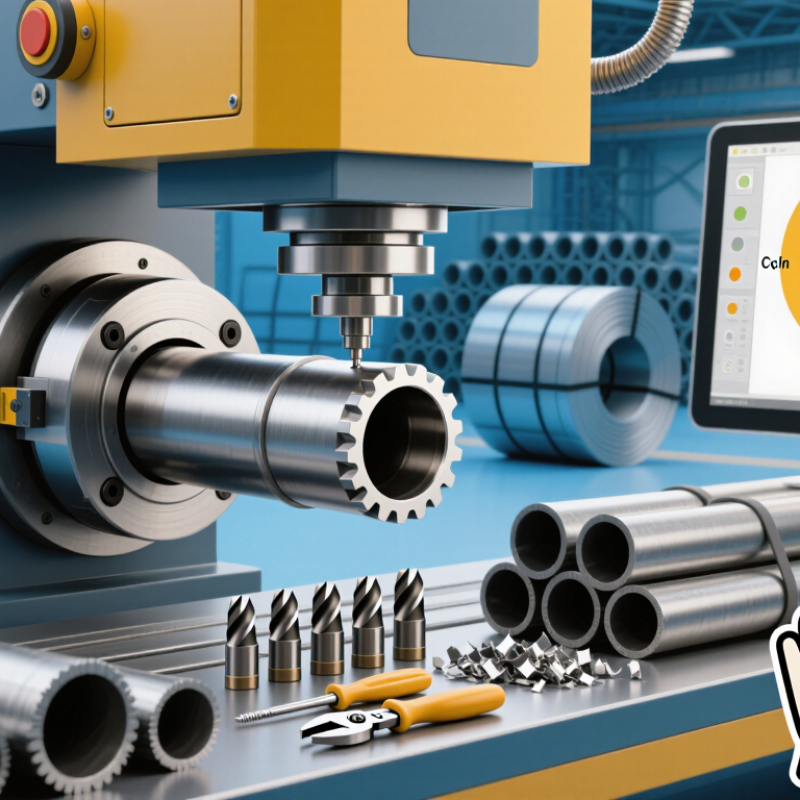
What Pipe-End Chamfering Machines Do: Cutting, Facing, and Weld Preparation
What Is the Best Pipe End Chamfering Machine in 2026?
Pipe-end chamfering machines prepare pipe for joining by removing material from its edge. Depending on the tooling, a machine can cut an angled bevel, face the end square, or combine both operations. That matters during weld preparation: a consistent bevel and clean land can help create a more predictable joint. A polished edge alone does not guarantee a sound weld.
The best machine depends on pipe diameter, wall thickness, material, and how often you work on-site. Portable models suit field repairs and tight spaces; heavier units may offer steadier clamping for repeated shop work. Check the usable diameter range and whether the cutters can handle your pipe material. Also consider setup time, chip control, and how easily operators can repeat the same angle. A machine can look capable on paper, yet struggle with a short pipe stub or awkward access. Verify those details with a sample cut.
Tips: Clamp the pipe firmly, inspect the cutting inserts, and make a test pass on matching material. Measure the bevel and face before production. Small setup errors can travel down the line. I would not judge quality by appearance alone; check fit-up and consistency across several pieces.
What Is the Best Pipe End Chamfering Machine in 2026?
Pipe-end chamfering machines cut and face pipe ends and prepare bevels for welding. The best choice depends on pipe size, wall thickness, material, access, and the required weld procedure.
Illustrative common preparation examples: a square-faced end is 0°, while bevel angles such as 30°, 37.5°, and 45° may be specified for weld preparation. Always follow the project drawings and welding procedure specification.
Which Pipe Diameters, Wall Thicknesses, and Materials Must the Machine Handle?
What Is the Best Pipe End Chamfering Machine in 2026?
The right machine must match the pipe you actually process, not just a headline capacity. Check the minimum and maximum outside diameters, then confirm the clamping system can hold each size without crushing thin walls. Wall thickness matters too: heavy sections may need more cutting power and a slower feed, while light tubing can distort under excessive clamping pressure. That matters. Ask whether the stated range applies to your material and chamfer angle.
Tips: Bring sample pieces from your smallest, largest, thinnest, and thickest jobs. Test real stock. Inspect the cut for a consistent bevel, burrs, heat marks, and changes in roundness. A published maximum is not necessarily a comfortable production target.
Material affects tool choice and setup. Stainless steel may generate more heat and demand suitable tooling; aluminum can form burrs if the edge geometry or feed is poorly matched. For mixed materials, check how quickly operators can change cutters and adjust settings. Also verify the machine’s support for your required inner or outer chamfer, since “pipe end chamfering” can describe different operations. One detail is easy to overlook: actual pipe dimensions and surface condition can vary between batches, so leave room for adjustment. Ask for a trial on representative stock before deciding.
What Is the Best Pipe End Chamfering Machine in 2026? — Which Pipe Diameters, Wall Thicknesses, and Materials Must the Machine Handle?
Use the pipe’s actual outside diameter (OD) and wall thickness—not nominal pipe size alone—to confirm machine fit. The dimensions below are representative ASME B36.10 carbon-steel pipe examples; confirm the applicable pipe standard and the machine’s published capacity before purchase.
Material selection: Carbon and low-alloy steel are broadly machinable with appropriate tooling. Stainless steel can work-harden, while duplex stainless steel and nickel alloys may require more rigid setups and material-specific cutting parameters. Aluminum needs suitable tool geometry. Plastic pipe generally requires a machine and tooling designed for plastic rather than a metal pipe beveling setup. Best-fit rule: choose a machine whose stated OD range, wall-thickness capacity, material compatibility, and required end-prep profile all cover the most demanding pipe in your work mix. Schedule dimensions are examples, not universal values; actual dimensions depend on the governing pipe standard and specification.
How Portable, Stationary, and CNC Chamfering Machines Differ in Operation
Portable, stationary, and CNC chamfering machines solve different production problems. A portable unit clamps directly to the pipe, making it useful for field repairs or oversized sections that cannot reach a workshop. The operator guides the cutter, so clamping, alignment, and steady feed matter. Small errors show up as uneven bevels. Watch the chips, too.
A stationary machine holds the pipe in a fixed fixture and suits repeat batches with consistent diameters. CNC equipment adds programmed feed and tool paths, helping reproduce angles and edge profiles across larger runs. It still needs correct setup; automation cannot rescue a poor datum or worn cutter. I would verify sample parts before trusting a quoted cycle time. Grand View Research valued the global machine-tools market at about US$97.2 billion in 2023, underscoring the scale of mechanized production, not proving one machine type is best. For operators, noise also matters: NIOSH’s Criteria for a Recommended Standard: Occupational Noise Exposure recommends an 85 dBA limit over eight hours. Measure at the work area. The right choice depends on pipe diameter, material, access, batch size, and the edge specification. A slower portable setup may be the sensible option.
How ASME B16.25’s 37.5° Weld-End Bevel Guides Machine Selection
What Is the Best Pipe End Chamfering Machine in 2026?
How ASME B16.25’s 37.5° Weld-End Bevel Guides Machine Selection
The best machine is the one that produces the weld-end geometry your procedure calls for—not simply a clean-looking cut. ASME B16.25 provides requirements for butt-welding ends, including bevel configurations. A 37.5° bevel is common, but it is not a universal setting for every pipe. Wall thickness, end preparation details, and the applicable standard edition matter. Check the drawing and welding procedure before choosing tooling.
On the shop floor, repeatability counts. A machine should hold the pipe securely, maintain the bevel angle around the full circumference, and leave a consistent root face where specified. Look for capacity that suits your pipe diameters and wall thicknesses, plus adjustments that operators can set and verify. Measure sample ends with suitable gauges; visual inspection alone can miss a small land or angle variation.
A tidy edge is not proof of compliance. In practice, setup time and chip control also affect daily output. These details are easy to overlook. There is a catch: even capable equipment can produce poor ends if the pipe is misaligned or the cutting insert is worn. Regular checks help reveal that problem before fit-up.
How to Compare 2026 Machines by Accuracy, Cycle Time, and Setup Requirements
What Is the Best Pipe End Chamfering Machine in 2026?
The best machine is the one that holds your required edge geometry across real production runs. Compare chamfer angle, land width, and burr condition against the drawing—not just the advertised tolerance. ISO 1101 provides a framework for specifying geometric tolerances, while NIST’s Engineering Statistics Handbook explains why measurement uncertainty matters. A shop-floor check with a calibrated gauge can reveal variation that a single sample misses.
Small differences matter.
Cycle time should include loading, clamping, cutting, and unloading. Record the time for at least 30 consecutive parts, then compare the average and the slowest cycles. This makes stoppages and inconsistent handling visible. Setup requirements matter too: note tool-change time, adjustment steps, and how many trial cuts are needed after switching pipe sizes. A fast cutting head may still lose time during changeovers. I would not trust one perfect demonstration run; it can hide the awkward parts.
Tips: Test the machine on your own pipe material and diameter range. Log chamfer dimensions and cycle times, then repeat after a tool change. Ask operators to perform the setup without coaching. Their first attempt may expose unclear controls or instructions. That is useful evidence, even if it feels inconvenient.


