Bankim Nagar, Siliguri, West Bengal
Choosing the right Medical Paper Towels can affect hygiene, workflow, comfort, and purchasing costs in hospitals. A towel may look simple, yet its performance changes under heavy daily use. Nurses need quick, reliable hand drying between tasks. Environmental services teams need sheets that resist tearing and excessive lint. Procurement managers also need predictable case quantities and dispenser compatibility.
This guide examines 10 Best Medical Paper Towels for Hospitals using practical and professional criteria. These include absorbency, wet strength, softness, lint control, sheet size, packaging, and storage requirements. Product claims should be checked against independent test results, technical data sheets, and facility trials. A towel that performs well in a laboratory may feel different beside a busy emergency department sink. Small details matter. A tight dispenser can waste sheets. Rough fibers may irritate frequent handwashing. Poor packaging can expose unused rolls to moisture or dust.
There is no universal best choice. Hospital layouts, patient populations, cleaning procedures, and local purchasing rules vary. Some facilities may prioritize recycled content, while others require maximum strength during rapid turnover. Cost-per-use can also reveal weaknesses that a low unit price hides. This review aims to balance documented specifications with realistic hospital conditions. It also acknowledges uncertainty, because product performance may change between batches or dispenser systems. Readers should confirm infection-prevention requirements and conduct a limited on-site trial before making a large purchase. Practical evidence is valuable. Careful reconsideration is even better.
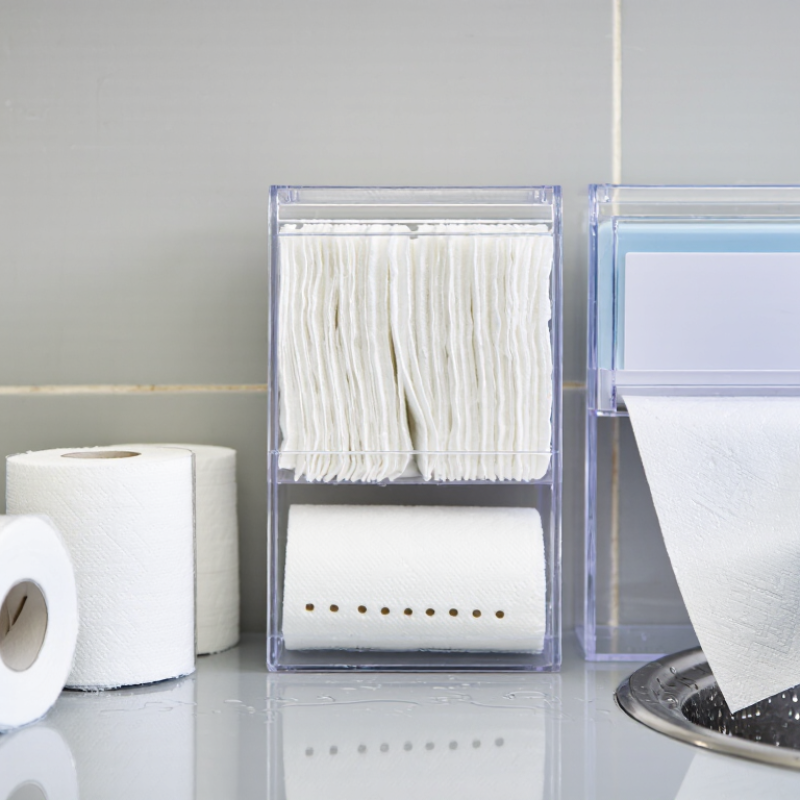
Medical paper towels are single-use, highly absorbent towels designed for clinical environments. They are usually low-lint, dispenser-compatible, and strong when wet. Most are not sterile unless specifically labeled and validated for sterile use. That distinction matters. A towel for drying hands is not automatically suitable for wound care or surgical procedures.
Hospitals need reliable hand drying because wet hands transfer microorganisms more easily, according to the U.S. Centers for Disease Control and Prevention. The World Health Organization reported that healthcare-associated infections affect about 7 in 100 patients in high-income countries and 10 in 100 patients in low- and middle-income countries. Safe drying supports hand-hygiene practice, especially near patient rooms, wash stations, and isolation areas. Paper towels also reduce repeated contact with shared fabric surfaces.
Practical details influence performance. A towel should absorb water quickly, release minimal lint, and fit the dispenser without tearing. Staff often notice failures during busy shifts: thin sheets, blocked dispensers, or empty cabinets. Small problems become workflow problems. However, paper towels are not a magic barrier. Poor handwashing, overloaded waste bins, and weak dispenser cleaning still create risks. Procurement teams should review absorbency, sheet strength, packaging protection, and usage data, rather than choosing by softness alone. These decisions should align with facility policy and current CDC and WHO guidance.
Choosing medical paper towels involves more than comparing sheet counts. In busy wards, absorbency matters because damp hands can spread contamination more easily. Look for towels that absorb water quickly without falling apart. Wet strength is equally important near sinks, treatment rooms, and cleaning stations. A weak sheet leaves fragments behind. That creates extra work.
Low lint is essential around instruments, dressings, and sensitive equipment. Rub a sample over a dark surface before purchasing. Visible fibers reveal a problem quickly. Sheet size also affects performance. Larger sheets may reduce repeated handling, while smaller sheets can control waste in low-use areas. The right balance depends on patient traffic and dispenser design.
Hygiene begins with packaging. Sealed, protected packs reduce exposure during storage and transport. Confirm that the towels fit existing dispensers without tearing or jamming. Staff should be able to pull one sheet with clean hands. Poor dispensing can undermine an otherwise good product.
Ask for technical data on absorbency, recycled content, fiber release, and disposal guidance. Independent testing or recognized quality documentation adds confidence, but paperwork is not everything. Real ward trials matter more.
Cost deserves a wider view. A cheaper towel may require two sheets instead of one. We once overlooked dispenser compatibility during a trial, and waste increased noticeably. That mistake was useful. Measure actual consumption, user feedback, skin comfort, and maintenance time before making a final decision.
The best medical paper towel depends on the task, not the label. A towel for routine hand drying needs dependable absorbency, soft edges, and low lint. A treatment room may need stronger wet performance. In a practical ward assessment, staff should compare sheet size, ply, texture, dispenser fit, and drying speed. These details affect comfort and daily workflow. They also influence waste. A towel that tears easily may require two or three sheets.
The ten leading options often differ in subtle ways. Some absorb quickly but feel thin. Others are softer yet leave more moisture behind. High wet strength can improve handling, but it may increase material use. Recycled content can support sustainability goals, though performance must remain consistent. I would not call one towel universally best. That judgment can overlook patient needs, staff preferences, and local dispenser systems. A controlled trial on several wards is more reliable than a catalogue claim.
Tips: Test each towel beside the sink during busy periods. Record sheets used, drying time, lint, and dispenser jams. Ask nurses and cleaning staff for feedback. Check supplier documentation for material details and relevant safety standards. Keep hand hygiene guidance visible, because paper towels support proper drying but do not replace handwashing. One weakness remains easy to miss: a towel may perform well in testing but fail when storage becomes damp.
10 Best Medical Paper Towels for Hospitals?
Emergency rooms and intensive care units need fast, absorbent paper towels with minimal lint. Staff often move between beds, monitors, and treatment carts. A towel that tears under pressure creates extra contact and waste. The CDC’s hand hygiene guidance requires drying after handwashing, while WHO recommends washing for 40–60 seconds. Therefore, dispensers should sit within easy reach, without touching the towel supply. Paper towels are not automatically sterile. They should never replace validated sterile products near surgical fields.
Patient wards need softness, reliable absorption, and simple single-sheet dispensing. Pediatric units may benefit from gentler textures and smaller sheets. In laboratories, low-lint towels reduce residue around specimens and instruments. Pharmacy preparation areas require products compatible with cleaning chemicals and local contamination controls. Operating rooms need stricter purchasing reviews. A low-lint towel may still be unsuitable if its packaging or storage is poorly controlled. Procurement teams should check product testing, batch consistency, dispenser hygiene, and disposal capacity. The ECDC’s 2022–2023 healthcare-associated infection survey shows why small environmental controls deserve attention across acute-care settings.
Tips: Match towel thickness to workload, not appearance. Test absorption with wet gloves. Check lint on dark surfaces. Store cartons above floor level and away from splash zones. Review usage weekly. A thicker towel is not always safer; it may encourage overuse and fill clinical waste bins faster.
Choosing medical paper towels requires more than comparing prices per case. Safety comes first. Towels should have reliable wet strength, low lint, and sealed packaging. These features help reduce residue around sinks and patient-care areas. Touch-free dispensers may also limit hand contact. However, dispenser performance matters as much as towel quality. A towel that tears easily can increase waste and frustrate staff.
Sustainability deserves careful attention. Recycled fiber may reduce pressure on forests, but it must still meet hygiene and strength requirements. Look for clear fiber information, responsible sourcing evidence, and disposal guidance. Cost should include roll length, absorbency, storage space, labor, and wasted sheets. A cheaper case may cost more when staff pull several towels for one task. No product is perfect. Hospitals should test towels in busy wards, not only in quiet purchasing offices. Feedback from cleaning teams can reveal practical problems that product sheets miss.
Tips: Compare total cost per use, not only price per case. Check lint and tearing after wetting one sheet. Review packaging integrity during delivery. Ask infection prevention staff to assess dispenser contact points. Reassess the choice after a short trial. Personal experience matters, but it can also be biased, so record usage and waste before deciding.
Hi! Simply click below and type your query.
Our experts will reply you very soon.
