Bankim Nagar, Siliguri, West Bengal
Choosing the best Folding Exercise Bike in 2026 depends on more than its folded size or price. A bike must feel steady during a brisk ride, adjust easily, and fit the person using it. The right choice for a small apartment may not suit someone training for longer sessions. That distinction matters.
A useful comparison looks at frame stability, resistance levels, seat comfort, noise, and how easily the bike folds and moves. Check the product’s dimensions both open and folded, then measure the space beside your sofa or desk. A compact frame is no help if it blocks a doorway. Not always. Weight limits, warranty terms, and replacement-part availability also deserve attention; these details are easy to overlook in glossy listings. If possible, inspect the hinge and locking mechanism in person, since photos cannot show how they feel to operate. A neat specification sheet can still leave questions about wobble, comfort, or setup.
This guide explores what matters when comparing folding bikes in 2026, including the trade-offs behind common features. It does not assume that the most expensive model is automatically the best. Instead, it considers different budgets, room sizes, and workout habits, while separating useful specifications from marketing language. Your ideal bike may still require compromise. The goal is to make that compromise clear before you buy.
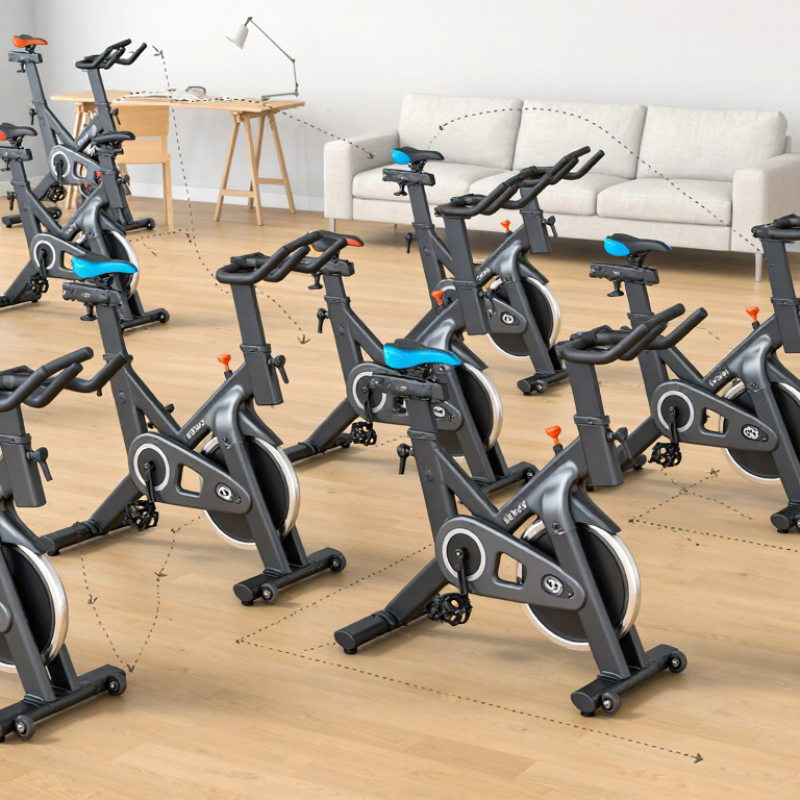
A folding exercise bike uses a hinged frame that closes for storage and opens into a riding position. A locking pin or latch should hold the frame securely during use; check that it clicks into place before pedaling. Resistance usually comes from a magnetic or friction system, adjusted with a dial or buttons. The pedals drive a flywheel, creating a steady circular motion. Simple, but not magic. Folding models often trade some frame rigidity for easier storage, so a bike may feel less stable during hard standing efforts.
These bikes can suit people with limited floor space, beginners, or anyone who wants a convenient option for steady indoor cardio. They are often useful beside a desk or in a small apartment, where the bike can be folded and moved after a ride. Fit still matters. Check the seat’s adjustment range, pedal reach, folded dimensions, and the bike’s stated weight limit. A compact frame may not suit every body size. Also consider resistance levels and noise if you plan to exercise early or share walls. For intense intervals, a non-folding frame may feel sturdier. Measure your storage space first. A folded bike still needs a place to go.
What Is the Best Folding Exercise Bike in 2026?
Key Features to Compare in Folding Exercise Bikes
The best folding exercise bike is the one that fits your room, body, and routine. Check its folded dimensions, then measure the storage spot, including space for handlebars and pedals. Measure twice. When unfolded, the frame should feel steady during a comfortable seated ride. A very compact design may wobble more, so look for clear stability details and a suitable user weight limit.
Compare resistance levels and adjustment options. Magnetic resistance is often quieter than friction-based systems, but the actual sound depends on the bike and its condition. Check whether the seat adjusts enough for your leg length, and whether the pedals hold your feet securely. A basic screen may show time, speed, and distance; confirm which readings matter to you. Quiet matters. Also inspect wheel placement, setup requirements, and warranty terms rather than relying on photos alone.
Tips: Before buying, read the dimensions in both positions and check the assembled bike’s weight. If possible, test a similar frame at a local shop. Consider where you will unfold it: carpet, hard flooring, and limited clearance can change how practical it feels. One detail is easy to miss: folding hinges need room to move, and setup can take longer than expected.
A folding exercise bike should be judged by its ride, not only by how neatly it tucks beside a sofa. Check frame stability with the seat raised and resistance increased; a small wobble can feel larger after twenty minutes. Adjust the saddle and handlebars, then check whether your knees stay comfortably bent at the pedal’s lowest point. Test it loaded. Not just folded. Measure the stored footprint, including pedals and transport wheels, and make sure the latch is easy to secure without pinching fingers. Resistance should change smoothly, not jump from easy to exhausting.
The American College of Sports Medicine’s 2025 Worldwide Survey of Fitness Trends ranked wearable technology first and mobile exercise apps second. That points to growing interest in tracking, but a bright display does not prove accurate readings. Compare heart-rate estimates with a trusted monitor, and treat calorie numbers as rough guides. The World Health Organization recommends 150–300 minutes of moderate aerobic activity weekly for adults; a comfortable seat and quiet pedaling may matter more than extra screen features. Listen for rattles at several resistance levels. One awkward detail: folding hinges can add weight, so try lifting the bike before buying. I would also check whether it stays stable on your actual floor.
A folding exercise bike is only space-saving if it fits both open and folded. Measure the riding footprint, then leave room for your knees, handlebars, and a safe step-off. Check the folded height against a closet shelf or doorway. Small detail, big difference. Grand View Research estimated the global exercise-bike market at about $1.5 billion in 2023 and projected 8.5% annual growth through 2030. That growth signals demand, not proof that every compact model offers good value.
Set your budget around how often you will ride, not how many screens a bike includes. For gentle daily sessions, prioritize a stable frame, adjustable seat, and resistance that changes smoothly. If you plan intervals, test whether the bike stays planted when you pedal hard. The American College of Sports Medicine’s 2024 fitness-trends survey drew responses from 2,038 professionals and included home exercise gyms among its tracked trends. A useful reminder: home workouts matter, but equipment still has to suit the person using it. I would choose a simple bike that folds easily over a feature-heavy one that becomes a laundry rack. Admittedly, that is not very scientific. Try the seat position before buying, and check the return policy. A folded bike that is awkward to move may not save much space after all.
| Bike style | Best suited to | Space and storage | Resistance and workout feel | Comfort and usability | Main trade-off | Overall fit |
|---|---|---|---|---|---|---|
| Folding upright bike with magnetic resistance | Most home users seeking steady cardio, adjustable effort, and a bike that can be stored between sessions. | Folds at the frame; check both open and folded dimensions, plus clearance for mounting and dismounting. | Magnetic resistance uses a magnet near the flywheel; resistance is typically adjusted with a dial or electronic controls and does not rely on friction pads touching the flywheel. | An upright riding position; seat height and handlebar reach should suit the rider. A basic display may show workout measurements such as time, speed, distance, or estimated calories. | Folding frames can feel less rigid than heavier, non-folding bikes. Stability and rider weight limits vary by model. | Best all-around choice for a balance of storage, everyday workouts, and adjustable resistance. |
| Folding upright bike with friction resistance | Budget-conscious riders who want straightforward indoor cycling and do not need advanced workout tracking. | Usually folds at the frame; folded size and ease of moving it depend on the design and whether transport wheels are included. | Resistance is created by a pad pressing against the flywheel. The feel is simple, but the pad can wear and may need adjustment or replacement. | Often has basic controls and a simple display. Check that the seat adjusts enough for a comfortable pedaling position. | The contact pad can make noise and requires more maintenance than a non-contact magnetic system. | Best for a tight budget when basic functionality matters more than quiet operation or low maintenance. |
| Folding recumbent bike | Riders who prefer a supported, reclined position and a seat with a backrest. | Folding capability varies; the seat and frame may take up more room than a compact upright design. Confirm the folded footprint before buying. | Resistance may be magnetic or friction-based. A reclined position changes the riding posture but does not, by itself, determine workout intensity. | A backrest and wider seat can offer more support. Make sure the seat adjusts to a position where the knee remains slightly bent at the farthest pedal reach. | Often bulkier than folding upright designs, and the reclined position may be less appealing to riders who want a conventional cycling posture. | Best for supported seating if the bike fits the available floor and storage space. |
| Compact pedal exerciser | Light pedaling at a desk or from a chair; suitable when a full-height exercise bike will not fit. | Small and easy to store, but it is not a full bike and needs a stable surface and enough room for leg movement. | Resistance is generally lighter than on a full-size exercise bike. It is intended for low-intensity pedaling rather than a demanding cycling workout. | Can be used while seated in a suitable chair. Check that it stays in place and that the pedals clear the desk or chair. | No full bike seat or riding position; may move on smooth flooring if not secured properly. | Best for minimal storage and gentle activity, not a substitute for a full cycling setup. |
Buying tip: Compare each bike’s published open and folded dimensions, rider weight limit, adjustment range, resistance type, and warranty. “Best” depends on your available space, preferred riding position, budget, and workout intensity.
A folding exercise bike is only useful when it opens securely and sits level. Set it on a hard, dry floor, away from rugs that can bunch beneath the feet. Lock every hinge before mounting, then press gently on the frame to check for movement. Adjust the saddle so your knee stays slightly bent at the bottom of each pedal stroke. Keep the display and resistance control within easy reach.
Small checks matter. The World Health Organization’s 2024 Global Status Report on Physical Activity estimates that 1.8 billion adults did not meet recommended activity levels in 2022. WHO guidance recommends at least 150 minutes of moderate activity each week for adults. A bike that is quick to unfold may make regular sessions easier to fit in, but comfort and stability matter more than chasing a perfect routine.
Before each ride, inspect the hinge pins, locking mechanism, pedals, and straps for looseness or wear. Stop if the frame shifts, a pedal clicks, or the bike feels unstable. Wipe sweat from the frame after use, and check bolts according to the manual; over-tightening can damage parts. Fold the bike only when it is fully stopped and clear of cables or nearby furniture. It is tempting to skip the checks when short on time. That is exactly when a small wobble can be missed.
Weekly aerobic activity guidelines for adults
Use these WHO-recommended ranges to plan rides and build up gradually. Before each session, check that the bike is stable and locked open; follow its manual for setup and maintenance.
Source: World Health Organization, physical activity guidelines for adults.
Hi! Simply click below and type your query.
Our experts will reply you very soon.
