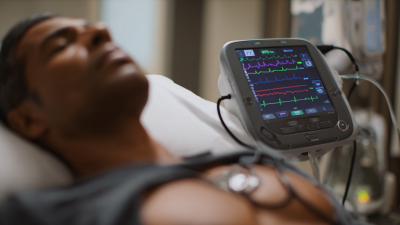
7 Best Biofeedback Machines for Global Buyers

Choosing a Biofeedback Machine can feel difficult for global buyers. Product pages often promise precision, relaxation, and better self-awareness. Real performance depends on sensors, software, training, and support.

Erik Peper, PhD, a respected biofeedback educator and researcher, captures the central principle: “You can’t change what you don’t notice.” That idea guides this review. A useful device should make body signals visible without creating unnecessary confusion. Skin conductance, heart-rate variability, temperature, breathing, or muscle tension may appear as clear graphs. They should also respond quickly when a user changes posture or breathing. Small delays matter.

This guide examines seven leading Biofeedback Machine options for international buyers. It considers sensor quality, app usability, data privacy, calibration, portability, warranty coverage, and professional compatibility. It also distinguishes consumer wellness tools from equipment intended for supervised clinical practice. Local certification and medical claims require careful verification. A product sold in one market may not meet another market’s requirements.

No ranking is perfect.

Different users need different evidence. A therapist may prioritize multi-channel recording and export functions. A home user may value simple setup, quiet operation, and readable instructions. A distributor may focus on training materials, replacement sensors, and dependable after-sales service. Some specifications remain difficult to compare because manufacturers use different testing methods. That limitation deserves attention.

The goal is practical rather than promotional. By comparing strengths, weaknesses, and realistic use cases, global buyers can make a more informed decision before purchasing.
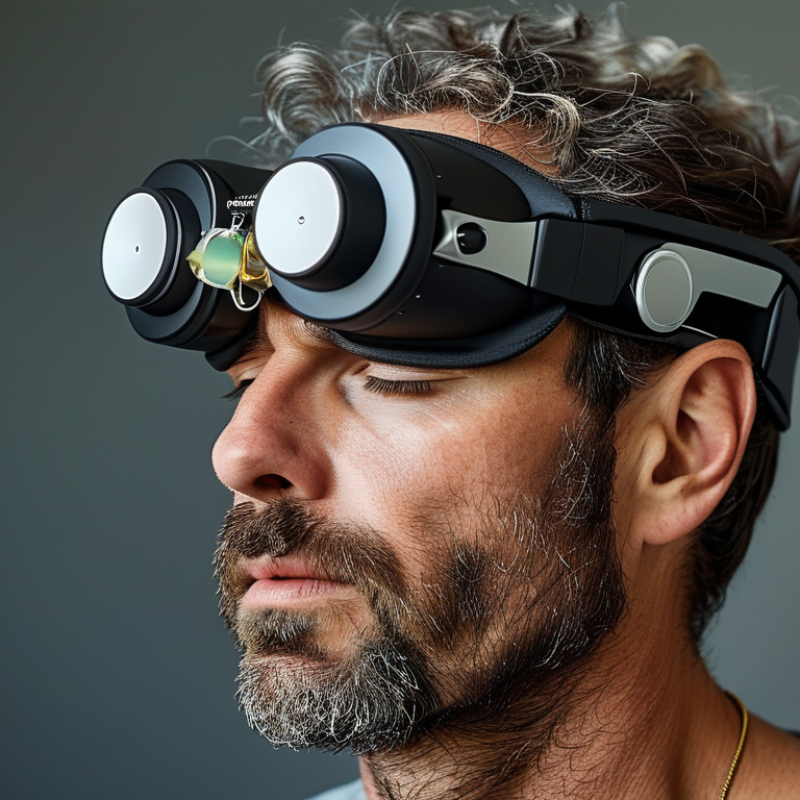
7 Best Biofeedback Machines for Global Buyers

What Is a Biofeedback Machine and How Does It Work?

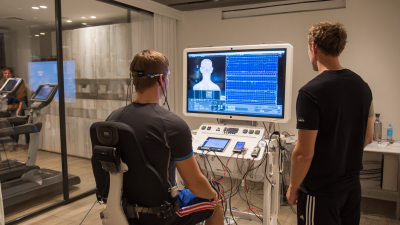
A biofeedback machine is a device that measures physical signals from the body. It may track heart rate, breathing, skin temperature, muscle tension, or brain activity through sensors. The machine does not directly fix the body. Instead, it turns hidden physiological changes into visible signals, sounds, or gentle prompts. A user might see a rising graph while holding the breath, then watch it fall after slower breathing. This makes automatic responses easier to notice and practice. The process is often called operant learning. Feedback helps users adjust a response through repeated sessions. Human guidance still matters.

A typical session begins with sensor placement and a short resting measurement. The practitioner then selects a target, such as steadier breathing or reduced muscle tension. The device displays live data, but the reading is not a medical diagnosis. Movement, poor contact, sweat, and room temperature can distort results. Good equipment should provide clear instructions, adjustable sensitivity, secure data handling, and evidence-based operating guidance. Buyers should also check training requirements, maintenance needs, compatibility, and local professional standards. Results vary. Some users notice calmer breathing quickly, while others need several supervised sessions. I would not treat a colorful screen as proof of effectiveness. That assumption is tempting, and sometimes wrong.

7 Best Biofeedback Machines for Global Buyers: What Is a Biofeedback Machine and How Does It Work?

Biofeedback machines measure physiological signals and provide real-time visual, audio, or vibration feedback to help users learn voluntary control over body functions. The chart compares seven common non-branded biofeedback machine types and the typical adult signal ranges they may monitor. Values vary with the sensor, user, and measurement conditions, so the bars are shown in their native units and should not be compared by length alone.

Key Features to Compare in Biofeedback Devices

When comparing the seven best biofeedback machines for global buyers, measurement quality matters more than appearance. Grand View Research estimated the global biofeedback instrumentation market at about US$1.5 billion in 2023, with continued growth through 2030. This expansion increases choice, but not necessarily reliability.

Check which signals each device records. Common options include heart-rate variability, skin conductance, respiration, temperature, and muscle activity. A serious device should disclose sensor accuracy, sampling rate, calibration methods, and feedback delay. Small delays can weaken training. Ask for validation studies, not only laboratory claims. A 2023 review in Applied Psychophysiology and Biofeedback also noted that study quality varies widely across biofeedback applications. That warning deserves attention.

Software features are equally important. Look for clear live graphs, exportable data, multilingual support, and compatibility with standard file formats. Cloud storage should include encryption, access controls, and transparent retention policies. Global buyers must also check electrical certification, local service coverage, replacement sensors, and training materials. A low purchase price may become expensive after shipping and maintenance.

More channels are not automatically better. A crowded dashboard can confuse users. I would test signal stability during movement, dry skin, and repeated sessions. Results may differ between users. That is normal. Still, inconsistent readings should trigger investigation, not blind confidence. Independent clinical evidence, documented technical specifications, and responsive support provide stronger buying signals than polished marketing language.

The 7 Best Biofeedback Machines for Global Buyers

The 7 Best Biofeedback Machines for Global Buyers

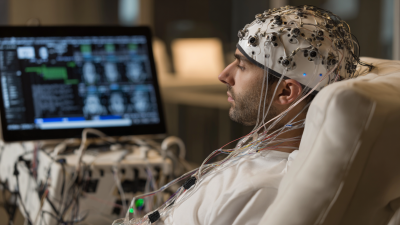
The seven strongest choices cover HRV, EEG, EMG, skin conductance, respiratory, thermal, and multimodal feedback. Each measures a different body signal. HRV devices track pulse changes during slow breathing. EEG systems display brainwave patterns through scalp sensors. EMG tools reveal muscle tension, often around the jaw, neck, or shoulders. Skin conductance devices respond to sweat-related changes. Respiratory and thermal machines offer simpler visual feedback. Multimodal systems combine several signals.

Market data supports growing interest in these tools. The Global Wellness Institute reported that the wellness economy reached about 6.3 trillion US dollars in 2023. Its 2024 monitor projects nearly 9 trillion dollars by 2028. The World Health Organization’s World Mental Health Report also states that nearly one in eight people live with a mental disorder. These figures do not prove that biofeedback treats illness. They show why buyers need evidence, training, and realistic expectations.

For international purchasing, check sensor accuracy, software language, data export, warranty coverage, and local electrical standards. Confirm whether the device is intended for wellness, research, or clinical use. Regulatory status can differ sharply between countries. A low-cost sensor may work well for breathing practice, but readings can drift during movement. I would not trust attractive dashboards alone. Look for validation studies, calibration instructions, privacy controls, and transparent technical specifications. The best machine is not always the most advanced. It should produce understandable data in the hands of a trained user.

7 Best Biofeedback Machines for Global Buyers - The 7 Best Biofeedback Machines for Global Buyers

Rank Biofeedback Machine Type Primary Signals Measured Typical Applications Main Advantages Common Limitations Portability Best For
1 Heart-Rate-Variability Biofeedback System Heart rate and beat-to-beat intervals Breathing training, relaxation, stress-management programs Non-invasive; supports paced breathing; suitable for home and clinical use Readings can be affected by movement, poor sensor contact, and irregular heart rhythms High; often uses a finger, ear, or chest sensor Wellness users, therapists, and stress-management practitioners
2 Electrodermal Activity Biofeedback Unit Skin conductance or electrodermal activity Arousal awareness, relaxation training, behavioral-health education Sensitive to sweat-gland activity; provides immediate visual or audio feedback Affected by temperature, hydration, skin condition, and hand movement Medium to high; compact finger or palm electrodes are common Counseling practices, training centers, and educational demonstrations
3 Surface Electromyography Biofeedback System Electrical activity of muscles through surface electrodes Muscle retraining, physical rehabilitation, posture and movement exercises Enables visual feedback about muscle activation and relaxation Requires correct electrode placement and professional interpretation for clinical use Medium; portable modules are available, but setup takes time Physiotherapy clinics, rehabilitation centers, and sports-performance programs
4 Respiratory Biofeedback Trainer Breathing rate, breathing pattern, and sometimes abdominal or thoracic movement Diaphragmatic breathing, relaxation, respiratory coordination Directly guides inhalation and exhalation timing; easy to understand for beginners Does not independently diagnose respiratory disease or replace medical assessment High; wearable bands and airflow sensors are typically lightweight Home users, mindfulness instructors, and breathing-coach programs
5 Temperature Biofeedback Device Peripheral skin temperature, usually at the finger Relaxation practice, thermal awareness, circulation-related training Simple operation; clear feedback; generally comfortable and non-invasive Strongly influenced by room temperature, hand position, and peripheral circulation High; finger thermistors and compact displays are widely used Basic relaxation training and introductory biofeedback education
6 Electroencephalography Neurofeedback System Electrical brain activity recorded from scalp electrodes Attention training, research, neurofeedback sessions, cognitive performance programs Provides detailed real-time EEG feedback and supports multi-channel measurements More expensive and technically demanding; electrode artifacts require careful control Medium; portable headsets exist, but professional systems need additional equipment Qualified practitioners, laboratories, and specialist training facilities
7 Multimodal Biofeedback Platform Two or more signals, such as heart rate, skin conductance, respiration, and muscle activity Integrated assessment, research, clinical training, and customized wellness programs Combines several physiological signals and supports broader session analysis Higher cost, more setup time, and greater need for trained operators Low to medium; multiple sensors and a computer or tablet are usually required Clinics, universities, research teams, and professional wellness facilities

Buyer note: Sensor accuracy, software functions, electrical safety, wireless compatibility, warranty coverage, and local regulatory requirements should be verified before international purchase. Biofeedback equipment is generally intended for training and monitoring; it should not be used as a substitute for professional diagnosis or treatment.

How to Choose a Biofeedback Machine for Your Needs

How to Choose a Biofeedback Machine for Your Needs

Choosing among the seven best biofeedback machines starts with your purpose, not the feature list. A clinic may need multi-channel heart-rate variability, skin conductance, and breathing data. Home users may prefer one sensor, clear coaching, and simple setup. Grand View Research estimated the global biofeedback market at about USD 1.7 billion in 2023. Its forecast also indicates continued growth through 2030, but market figures vary by device definition. Treat projections carefully.

Check measurement quality before purchasing. Ask whether the device uses validated sensors, stable sampling, and exportable data. Look for published testing, not only attractive graphs. The Association for Applied Psychophysiology and Biofeedback recommends trained interpretation for clinical applications. That matters when readings influence rehabilitation or stress-management plans. A low-cost device can be useful for practice, but it may not support diagnosis. Not every dashboard deserves trust.

Match the machine to your daily environment. A therapist may value software permissions, multiple user profiles, and secure storage. An individual may need comfortable electrodes, battery life, and offline access. Confirm compatibility with your computer or phone before ordering internationally. Check warranty terms, calibration support, language options, and local compliance requirements. I would also test the return policy. A technically impressive machine can become frustrating after one week. My own selection standard is imperfect, because comfort and motivation are difficult to measure from specifications alone.

Safety, Certification, and International Buying Considerations

Choosing among the seven best biofeedback machines requires more than comparing sensors and screen size.

Safety documentation should come first. Check electrical safety, electromagnetic compatibility, and biocompatibility reports when skin-contact sensors are included. Medical-purpose devices may require evidence under standards such as IEC 60601 or applicable regional medical-device rules.

Certification is not universal. A European conformity mark does not automatically authorize sales in every country. Buyers should verify registration, importer responsibilities, labeling language, and permitted health claims in the destination market. Ask for current declarations, test reports, user manuals, and certificate numbers. Do not rely on a sales brochure alone.

Voltage, plug type, software language, and data handling also matter. A machine designed for one power system may need a certified adapter, not a cheap converter. Confirm whether readings are stored locally or transferred to cloud services. Review consent controls and privacy requirements before collecting client data. Check calibration intervals, replacement sensor costs, warranty coverage, and remote technical support. Small details matter.

I have seen purchasing teams overlook training. That mistake can reduce safe, consistent use. Ask for operator guidance and fault-reporting procedures. Also, best is not always the most advanced. A simpler device with transparent validation may be more reliable internationally. I may be cautious, perhaps overly cautious, but missing paperwork can delay customs clearance and create expensive compliance problems.

Close

Raise your Query

Hi! Simply click below and type your query.

Our experts will reply you very soon.

WhatsApp Us